
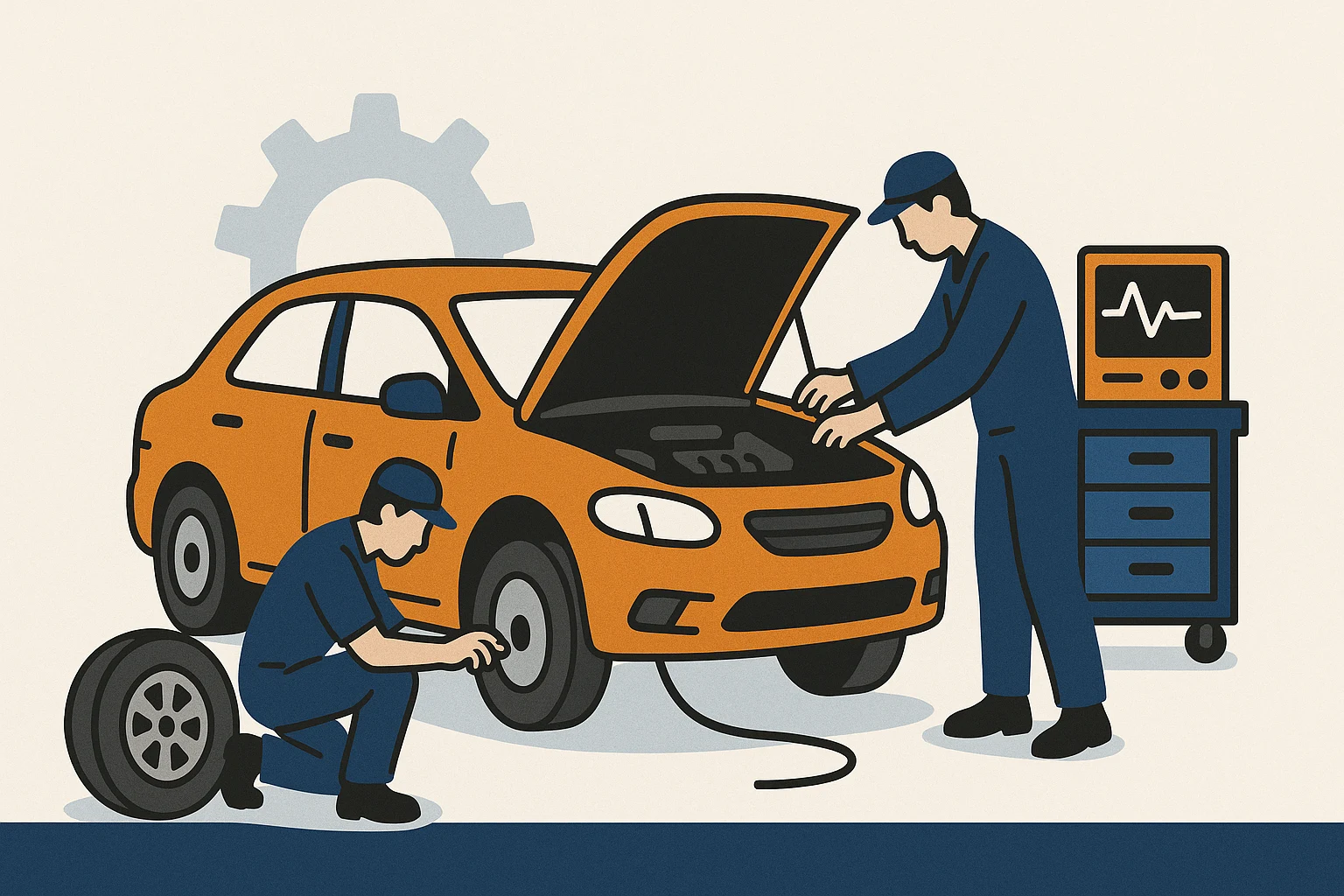
Vehicle ownership comes with the responsibility of regular maintenance, and auto repair plays a vital role in keeping every trip safe, efficient, and stress-free. Shade Tree Auto understands that taking a proactive approach to vehicle care can help reduce unexpected breakdowns, extend vehicle life, and improve overall driving performance. While many drivers focus on fixing problems only after issues appear, routine inspections and timely repairs help protect both their investment and their safety.
Why Auto Repair Matters More Than Many Drivers Realize
Modern vehicles contain thousands of interconnected components that must work together efficiently. A small issue with one system can gradually affect other parts, leading to more expensive repairs if left unattended.
Consistent maintenance offers several advantages:
- Helps improve vehicle reliability
- Reduces the risk of roadside breakdowns
- Supports better fuel efficiency
- Extends the lifespan of major components
- Improves driving comfort and safety
- Preserves resale value
Routine inspections often identify minor concerns before they become significant mechanical failures.
Common Warning Signs That Should Never Be Ignored
Every vehicle provides warning signs when something needs attention. Responding quickly helps prevent additional damage and unnecessary repair costs.
Watch for these indicators:
- Dashboard warning lights
- Unusual engine noises
- Vibrations while driving
- Delayed braking response
- Burning odors
- Fluid leaks beneath the vehicle
- Difficulty starting the engine
- Reduced fuel economy
Ignoring these symptoms may allow relatively small problems to develop into extensive repairs.
Essential Maintenance That Supports Long-Term Performance
Preventive maintenance remains one of the most effective ways to minimize repair expenses. Following manufacturer-recommended service intervals keeps critical systems operating properly.
Important maintenance services include:
Oil and Filter Changes
Fresh engine oil reduces friction, minimizes wear, and helps regulate engine temperature.
Brake Inspections
Brake pads, rotors, and brake fluid should be checked regularly to maintain reliable stopping power.
Tire Maintenance
Proper tire pressure, balancing, alignment, and rotation contribute to improved handling, longer tire life, and increased fuel efficiency.
Battery Testing
Battery performance naturally declines over time. Regular testing reduces the likelihood of unexpected starting problems.
Fluid Checks
Several fluids contribute to vehicle performance, including:
- Engine coolant
- Transmission fluid
- Brake fluid
- Power steering fluid
- Differential fluid
- Windshield washer fluid
Maintaining proper fluid levels helps protect major mechanical systems.
Choosing Quality Parts Makes a Difference
Replacement components vary significantly in quality. Selecting reliable parts often provides better durability, performance, and compatibility with the vehicle.
High-quality components may include:
- Original equipment manufacturer (OEM) parts
- Premium aftermarket replacements
- Manufacturer-approved fluids
- Quality filters
- Reliable brake components
Investing in dependable parts often reduces future maintenance needs.
The Value of Professional Diagnostics
Today’s vehicles rely heavily on computerized systems that monitor engine performance, emissions, transmission operation, safety features, and electrical components.
Professional diagnostic equipment helps technicians identify problems accurately instead of relying on guesswork. Accurate diagnosis often:
- Saves repair time
- Prevents unnecessary part replacements
- Identifies hidden issues
- Reduces long-term repair costs
- Improves repair accuracy
Modern diagnostic technology has become an essential part of effective vehicle maintenance.
Seasonal Vehicle Care Helps Prevent Problems
Changing weather conditions affect nearly every part of a vehicle. Seasonal inspections help prepare for temperature changes and varying road conditions.
Before Summer
Drivers should inspect:
- Cooling system
- Air conditioning
- Battery
- Tire pressure
- Engine fluids
Before Winter
Recommended inspections include:
- Battery performance
- Heating system
- Windshield wipers
- Tire tread depth
- Antifreeze protection
Seasonal maintenance reduces the likelihood of weather-related mechanical issues.
Driving Habits Affect Repair Frequency
Vehicle condition depends not only on maintenance schedules but also on everyday driving behavior.
Helpful habits include:
- Avoid rapid acceleration
- Brake gradually whenever possible
- Warm the engine briefly during cold weather
- Avoid carrying unnecessary weight
- Drive smoothly over rough roads
- Address warning lights promptly
Small adjustments in driving habits can significantly reduce long-term wear.
Building a Maintenance Schedule
Keeping maintenance organized helps ensure important services are not overlooked. Following a consistent service schedule allows small issues to be identified early, helping maintain dependable vehicle performance throughout the year.
A basic maintenance schedule typically includes:
- Oil changes: Follow the vehicle manufacturer’s recommended mileage or time interval.
- Tire rotation: Rotate tires every 5,000 to 8,000 miles to encourage even tread wear.
- Brake inspections: Have the braking system inspected during routine maintenance visits.
- Air filter replacement: Replace the engine air filter according to the recommended service schedule or sooner if driving conditions require it.
- Battery inspection: Test the battery at least once a year to help prevent unexpected starting issues.
- Fluid inspections: Check essential fluids, including engine oil, coolant, brake fluid, transmission fluid, and power steering fluid, during every maintenance appointment.
Staying consistent with these routine services helps improve vehicle reliability, reduce the likelihood of costly repairs, and support long-term performance.
Why Experience Matters in Vehicle Service
Automotive technology continues to evolve with advanced electronics, hybrid systems, driver-assistance features, and increasingly sophisticated engines. Skilled technicians remain essential for properly diagnosing and repairing these systems.
Experience combined with updated equipment allows repairs to be completed more efficiently while helping maintain manufacturer performance standards.
Working with knowledgeable professionals also provides valuable maintenance recommendations tailored to each vehicle’s age, mileage, and driving conditions.
Conclusion
Keeping a vehicle dependable requires more than reacting when problems appear. Regular inspections, preventive maintenance, quality replacement parts, and prompt attention to warning signs all contribute to safer, more reliable driving. Investing in routine auto repair helps reduce unexpected expenses while protecting long-term vehicle performance. For drivers seeking dependable automotive care, Shade Tree Auto provides experienced service focused on maintaining vehicle safety, reliability, and lasting performance.