
A powerful engine does not fail because it works hard. It fails when heat gets ahead of control. Under heavy throttle, track use, mountain driving, towing, or repeated acceleration, metal expands, oil thins, pressure rises, and every weak part starts telling the truth. Cooling Systems protect high-performance engines by keeping that heat inside a safe working range instead of letting it turn power into damage. The point is not to make an engine cold; a cold engine performs poorly and wears faster. The goal is balance, and balance takes more than a radiator full of fluid. It takes smart heat movement, steady coolant flow, clean airflow, strong pressure control, and parts that match the way the engine is used. Readers looking for deeper automotive visibility and publishing support can explore performance-focused content placement as part of a broader strategy for reaching the right audience. For drivers, builders, and enthusiasts, the lesson is simpler: speed is exciting, but temperature discipline is what keeps the machine alive.
Why Heat Control Defines Engine Strength
Heat is not the enemy of performance. Uncontrolled heat is. A high-output engine creates more heat because it burns more fuel, compresses more air, and asks every moving part to work under greater stress. That makes engine temperature control one of the quietest signs of a serious build. You can hear exhaust, feel torque, and admire horsepower numbers, but the cooling strategy often decides whether the engine keeps delivering after the first hard pull.
How engine temperature control protects power under load
Hard driving exposes weak planning faster than casual cruising ever will. A car may behave perfectly on a short city drive, then struggle after several full-throttle pulls because heat has soaked into the block, cylinder head, intake area, oil, and surrounding hardware. Once that happens, the engine may still run, but it no longer runs with the same confidence.
Good engine temperature control keeps the engine near its designed operating window. That window matters because fuel mixture, ignition timing, oil behavior, and metal clearance all depend on temperature staying predictable. When heat climbs too far, the engine management system may reduce timing or power to defend the hardware, which means the driver feels less response even before any visible warning appears.
The counterintuitive part is that more cooling is not always better. An engine that runs too cool can burn fuel poorly, collect deposits, and resist proper oil flow during warm-up. The best setup does not chase the lowest number on a gauge. It keeps the number steady when conditions become ugly.
Why heat stress damages parts before failure appears
Engine failure often looks sudden from the driver’s seat, but heat damage usually builds in layers. A gasket weakens, oil loses film strength, hoses harden, seals dry out, and sensors start reading conditions that move outside their comfort zone. Nothing dramatic happens at first. That is why people miss it.
A performance engine may hide heat stress for a while because the parts are built stronger than average. Forged internals, stronger head studs, and better bearings can tolerate abuse, but they do not cancel physics. Heat still expands metal, thins fluids, and raises pressure in places that need stability.
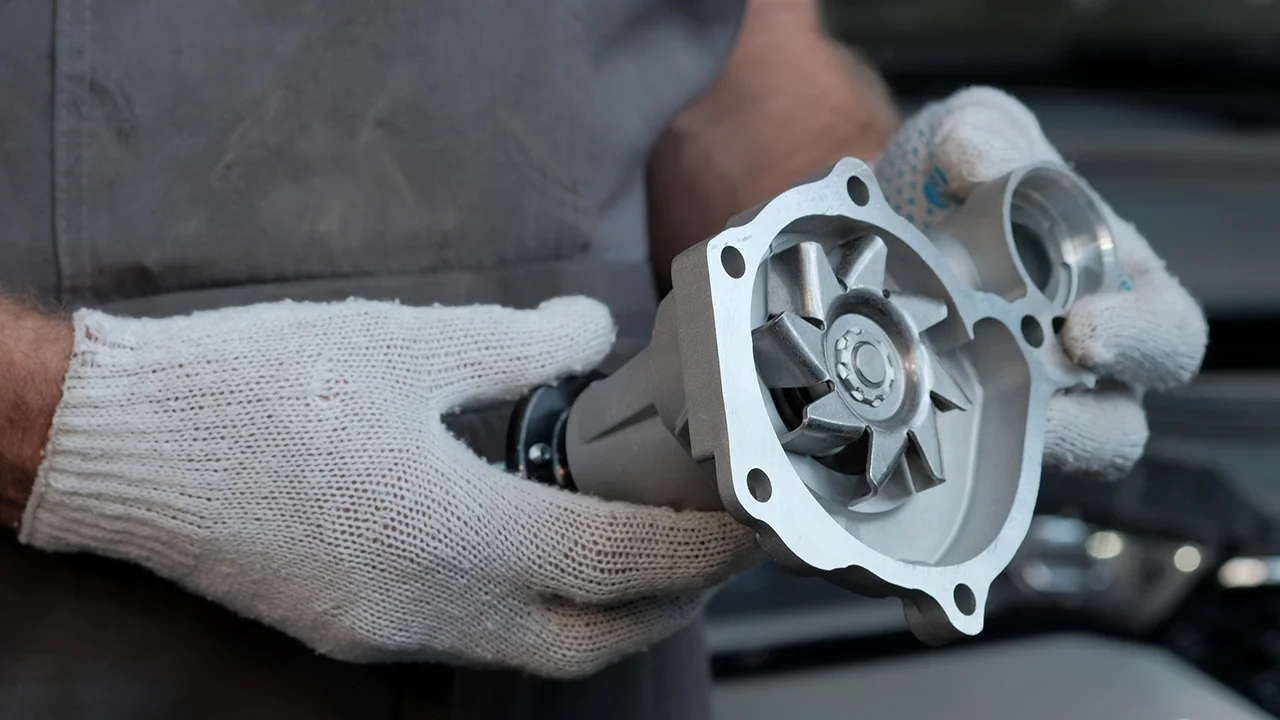
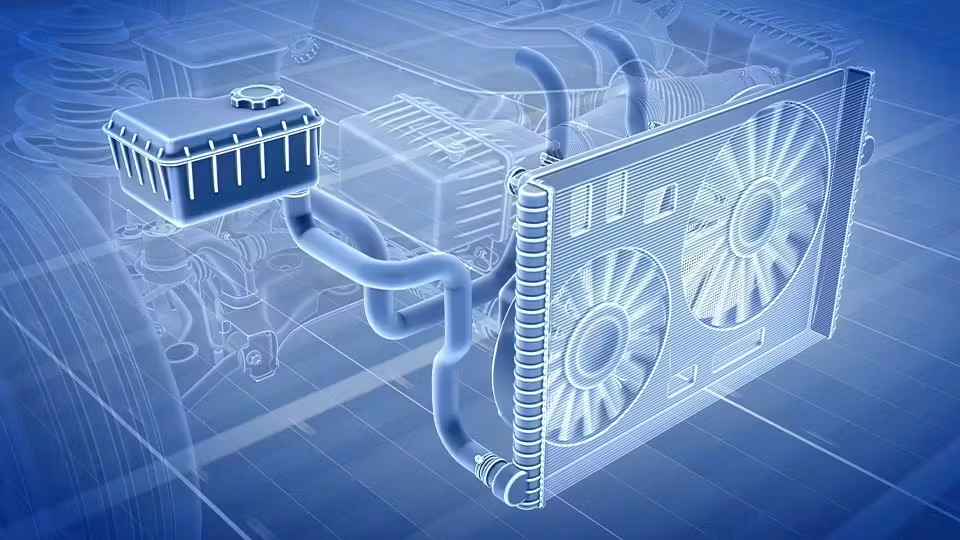
This is where Cooling Systems earn their place as performance parts, not support parts. The radiator, pump, thermostat, fans, hoses, coolant mix, and pressure cap all work as a chain. One weak link can turn a capable engine into a fragile one, especially when the driver keeps asking for power after the system has already fallen behind.
The Hardware That Moves Heat Away
Once heat leaves the combustion chamber and surrounding metal, it has to go somewhere. That movement depends on parts that most drivers ignore until a gauge spikes or a hose bursts. The radiator, coolant passages, pump, thermostat, and fans do not add horsepower in the loud, obvious way a turbo or tune might. They protect the horsepower you already paid for.
Why radiator performance matters beyond size
A larger radiator can help, but size alone does not solve every heat problem. Radiator performance depends on core design, fin density, tube layout, airflow access, pressure condition, and how well hot coolant spreads across the core. A thick radiator with poor airflow can disappoint, while a well-designed unit with clean ducting can outperform what looks better on paper.
Real-world use makes this clear. A car that runs cool on the highway may overheat in slow traffic after a spirited drive because air no longer moves through the core at speed. The radiator has heat to release, but the environment has stopped helping. That is when fan strength, shrouding, and air direction become more than small details.
A smarter build treats the radiator like part of an air path, not a shiny rectangle behind the bumper. Air must enter cleanly, pass through the core, and leave without getting trapped in the engine bay. When that path is messy, radiator performance drops even if the part itself is expensive.
How coolant flow keeps hot spots from forming
Coolant does not only carry heat away from the engine. It prevents isolated hot spots from turning into damage. Poor coolant flow can allow certain areas around the cylinder head, exhaust valves, or combustion chambers to run hotter than the gauge suggests. The dashboard may show comfort while one part of the engine suffers quietly.
A healthy water pump, clean passages, correct thermostat behavior, and proper hose routing all support steady movement. Flow that moves too slowly cannot remove heat fast enough. Flow that moves poorly due to air pockets, blockage, or weak pump action can create uneven temperatures that strain metal and seals.
There is a balance here too. Chasing high flow without thinking about pressure, thermostat control, and heat transfer time can create new issues. The best coolant flow feels boring from the driver’s seat because nothing dramatic happens. The gauge rises, settles, and stays there while the engine does its job.
Pressure, Fluid Choice, and Airflow Work Together
The cooling system is not only liquid moving through metal. It is a pressure-controlled loop working with air, fluid chemistry, and mechanical timing. Treating one part in isolation leads to bad decisions. A better coolant mix cannot save blocked airflow, and a stronger fan cannot rescue a system full of old fluid and trapped air.
What coolant condition says about engine care
Fresh coolant protects more than temperature. It fights corrosion, supports heat transfer, and helps protect internal passages from deposits that slow the system down. Old coolant can look harmless at a glance, yet still lose the chemical strength that keeps aluminum, steel, rubber, and seals living together peacefully.
Coolant choice also matters because performance engines often face harsher cycles. Hard acceleration, heat soak, cool-down periods, and repeated stress can age fluid faster than gentle use. A neglected system may still pass a casual glance, but under load it can show its weakness through rising temperatures, pressure loss, or unstable readings.
The trap is waiting for visible overheating before taking coolant seriously. By the time the gauge climbs, the system may already have corrosion, scale, air pockets, or weakened hoses. Strong maintenance catches these signs while the repair is still small.
Why airflow can decide the whole outcome
Airflow is the cooling system’s outside partner. Without enough air through the radiator, heat has nowhere useful to go. That matters in traffic, on tight roads, during track sessions, and after shutdown, when heat soak keeps cooking parts even though the car is no longer moving fast.
Fans help at low speeds, but fan placement and shrouding decide how much work they perform. A fan that pulls air from only part of the radiator wastes surface area. A missing or poor shroud lets air take the easier path around the core instead of through it. Heat loves shortcuts.
Better airflow also means managing what happens after air exits the radiator. If hot air piles up inside the engine bay, intake temperatures rise and nearby parts suffer. The cooling system then fights two battles at once: removing engine heat and surviving the heat it already removed.
Warning Signs Drivers Should Never Ignore
A serious engine rarely gives one perfect warning before trouble arrives. It drops hints. The temperature needle creeps after a hard run, the fans stay on longer than usual, coolant smell appears near the hood, or performance feels softer when the car gets hot. Those signs are not background noise. They are the machine asking for attention before it raises the bill.
How small symptoms expose bigger cooling problems
A rising temperature at idle often points toward fan, shroud, airflow, or low-speed heat rejection issues. A temperature climb at highway speed may suggest radiator blockage, weak coolant flow, trapped air, or a system that cannot shed heat under continuous load. The pattern matters because not all overheating tells the same story.
Coolant loss deserves fast attention even when no puddle appears. Small leaks can evaporate on hot surfaces, seep into places you cannot see, or escape only under pressure. A faint sweet smell after driving may reveal more than the reservoir level does. Drivers who ignore that smell often end up diagnosing damage instead of a leak.
Oil temperature should also stay part of the conversation. An engine can show normal coolant readings while oil runs hotter than ideal during long hard use. That matters because oil protects bearings, pistons, cams, and turbo hardware. Heat management works best when coolant and oil are treated as partners, not separate topics.
Why gauges need context, not panic
A gauge is useful, but it does not think for you. Some cars have damped factory gauges that stay centered across a wide range, then move only when the situation has already become serious. Others show exact numbers that can make drivers panic over normal movement. Both can mislead without context.
The smarter approach is learning what normal looks like for your car. Watch how temperature behaves during warm-up, highway driving, traffic, and a spirited run. Once you know the pattern, changes become easier to spot. A number that looks safe on its own may still matter if it is higher than the car’s usual behavior under the same conditions.
Aftermarket gauges can help, but only when installed and read properly. Bad sensor placement, poor wiring, or unclear scale markings can create false confidence or needless anxiety. Data helps most when the driver understands the story behind it.
Building a Cooling Strategy That Matches the Engine
A performance cooling plan should match the engine’s actual life. A weekend canyon car, a drag car, a track car, and a tuned street car do not face the same heat pattern. Copying someone else’s setup without matching use is one of the fastest ways to spend money and still run hot.
How use case changes the right parts
A street car needs stable temperature across traffic, weather changes, short trips, and occasional hard pulls. That often means reliable fans, good shrouding, a healthy thermostat, clean coolant, and a radiator that fits without blocking air movement. Comfort and dependability matter because the car sees mixed conditions.
A track-focused car faces repeated high-load heat with less recovery time. It may need stronger radiator capacity, improved ducting, oil cooling, venting, and close monitoring. Heat does not arrive as one spike; it stacks lap after lap. The system must recover while the driver keeps pushing.
A drag-oriented build has another pattern. It may see short bursts of heavy power, then downtime in staging lanes or pits. Heat soak after the run can become the bigger threat. That setup may need strong fans, smart cooldown routines, and attention to under-hood heat rather than only high-speed airflow.
How maintenance keeps upgrades honest
Upgrades cannot fix neglect. A premium radiator paired with old hoses, weak clamps, dirty coolant, and a tired cap is not a system. It is an expensive part surrounded by liabilities. High-performance engines punish that kind of half-care because every part faces more pressure and heat.
A practical maintenance rhythm should include coolant inspection, pressure testing, hose checks, cap replacement when needed, thermostat health, fan operation, and radiator cleanliness. None of that sounds glamorous. That is the point. The work that saves engines often looks plain until it prevents the failure everyone else calls bad luck.
Drivers should also record changes after each repair or upgrade. Note normal temperature ranges, fan behavior, coolant level, and how the car reacts in traffic or under load. That habit turns guesswork into evidence. A cooling strategy becomes stronger when every change is measured against real behavior.
Conclusion
Performance is not only built in the engine bay; it is protected there mile after mile. Heat will always be part of power, and no serious driver should pretend otherwise. The smarter move is to design, maintain, and read the cooling system as carefully as any headline performance upgrade. A clean radiator, steady pressure, strong airflow, healthy fluid, and honest monitoring can keep an aggressive engine calm when the road asks for more. Cooling Systems protect high-performance engines best when they are treated as active performance equipment rather than emergency backup. The next step is simple: inspect the system before the next hard drive, not after the next warning light, because the engine that stays cool is the engine that gets to keep proving itself.
Frequently Asked Questions
How do cooling systems protect high-performance engines during hard driving?
They move heat away from the engine before it damages oil, gaskets, seals, pistons, and cylinder heads. Hard driving creates heat faster than normal cruising, so the system must keep temperature stable while the engine stays under load.
What are the early signs of poor engine temperature control?
Rising temperature in traffic, coolant smell, fans running longer than usual, soft power after heat soak, or coolant level changes all deserve attention. These signs often appear before major failure, which makes early inspection worth the effort.
Why does radiator performance matter in performance cars?
The radiator releases engine heat into passing air, so its design, airflow path, cleanliness, and fan support all affect temperature stability. A bigger radiator helps only when air can move through it properly and hot air can escape the engine bay.
How often should coolant be changed in a high-performance engine?
Follow the vehicle or coolant maker’s service interval, then shorten it when the car sees track use, towing, harsh heat, or frequent hard driving. Performance use ages coolant faster because the system faces stronger pressure and heat cycles.
Can coolant flow problems happen without visible overheating?
Yes. Restricted passages, trapped air, weak pump action, or thermostat trouble can create hot spots before the dashboard shows a major warning. Local heat around the cylinder head or exhaust valve area can cause damage while the gauge looks normal.
Does a performance engine need an upgraded radiator?
Not always. Some cars need better airflow, fans, shrouding, or maintenance before they need a larger radiator. An upgrade makes sense when the existing system is healthy but still cannot hold stable temperatures under the car’s real driving conditions.
Why does my engine run hot in traffic but not on the highway?
Low-speed overheating usually points toward fan performance, shroud design, airflow blockage, or heat trapped in the engine bay. Highway speed forces air through the radiator, so the problem may disappear until the car slows down again.
What is the best way to prevent cooling system failure?
Inspect the system before symptoms become severe. Check coolant condition, hoses, clamps, cap pressure, fan operation, radiator cleanliness, and normal temperature behavior. Preventive care costs less than repairing heat damage after the engine has already suffered.