
A car rarely loses its clean pull all at once. Most of the time, it starts with a tiny hesitation, a dull response from the pedal, or a faint shake that you try to ignore for another week. That is where engine diagnostics matters, because it turns vague driving discomfort into a readable trail of clues before a small fault grows teeth. Better testing does not make the engine faster by magic; it helps the engine return to the steady rhythm it was built to deliver. For drivers, mechanics, and performance-minded owners, that difference matters every time the road opens and the car needs to respond without delay. A helpful resource like automotive visibility support can also remind businesses in this space that clear education builds trust before anyone reaches the repair counter. Smooth power is never only about horsepower. It comes from clean fuel delivery, accurate sensor feedback, strong ignition, and a control system that knows what is happening under load.
Why Engine Diagnostics Belongs at the Start of Acceleration Problems
Acceleration issues often tempt drivers to guess. A slow launch feels like a weak engine, a rough climb feels like bad fuel, and a brief stumble feels harmless until it happens while merging into faster traffic. The problem is that acceleration problems can begin in several systems at once, and guessing usually sends money to the wrong part first. Engine diagnostics gives the repair process a starting line instead of a maze.
Reading small symptoms before they become expensive
Small faults usually speak before they shout. A dirty mass airflow sensor may not stop the car, but it can send the wrong air reading to the computer. A tired spark plug may still fire, yet fire late enough to make the engine feel lazy. A fuel injector may clog unevenly and cause hesitation only under certain throttle positions.
The counterintuitive part is that the check engine light is not always the earliest warning. Your foot may notice the issue first. A car that needs more pedal than usual to move with confidence has already changed its behavior, even if the dashboard stays quiet.
Good vehicle performance checks turn those quiet changes into usable evidence. A technician can compare live data, fuel trims, misfire counts, throttle response, and sensor signals while the engine works under real conditions. That matters because many acceleration problems hide at idle and only appear when the engine is asked to pull.
Why guessing parts rarely fixes the real issue
Replacing parts based on a hunch feels faster, but it often slows everything down. A driver may install new spark plugs because the engine feels rough, only to find that a weak coil or vacuum leak caused the same symptom. Another driver may blame fuel quality when the real issue is a throttle body that has learned bad idle and airflow patterns over time.
A proper scan is not the whole answer, though. Trouble codes point toward a system, not always toward the guilty part. A code for a lean condition can involve air leaks, fuel pressure, exhaust leaks, or sensor drift. The scan begins the conversation; the test drive and data review finish it.
Engine sensors deserve special attention here because they guide nearly every decision the control module makes. When engine sensors send slow, dirty, or unstable signals, the engine may still run, but it stops responding with clean timing. That is where diagnostic discipline saves money: it separates a failed part from a part that is only reporting trouble caused elsewhere.
How Cleaner Data Creates Smoother Acceleration
Power delivery depends on timing. Fuel, air, spark, throttle angle, and transmission response all need to arrive in the right order, almost like a kitchen where every cook has half a second to act. When one signal arrives late or wrong, the engine may still move the car, but it loses that connected feel between pedal and road. Smoother acceleration comes from restoring clean communication inside the system.
How engine sensors shape throttle response
Modern engines are not simple mechanical beasts anymore. The accelerator pedal sends a request, the throttle body reacts, the airflow sensor measures incoming air, oxygen sensors report exhaust behavior, and the engine computer adjusts fuel and spark. That chain has to stay honest.
A common example is a weak oxygen sensor that reacts slowly instead of failing outright. The car may not stall, and it may not scream for attention, but the fuel mixture can wander under load. You feel that as a flat spot, a surge, or a delay when you expect clean movement.
Accurate engine sensors help the control module stop overcorrecting. When data is clean, fuel trims stay closer to target, ignition timing behaves, and throttle response feels more predictable. The car does not need to fight itself before it moves.
Why live testing beats parked diagnostics
A parked scan can miss the truth because acceleration is a loaded event. The engine behaves differently when it has to move weight, climb a hill, run the air conditioner, or pass another vehicle. That is why live data during a road test often reveals what a garage check cannot.
For example, fuel pressure may look acceptable at idle but drop during hard acceleration. A transmission may shift cleanly in light driving but hesitate under stronger throttle. An airflow sensor may read close enough at low demand, then drift once the engine needs more air.
Strong vehicle performance checks include the conditions that trigger the complaint. That means recreating the stumble, watching the data stream, and judging cause against behavior. The point is not to collect numbers for the sake of it. The point is to catch the fault while it is actually misbehaving.
The Hidden Systems That Make Acceleration Feel Rough
Acceleration is not only an engine event. It is a chain reaction through intake, exhaust, ignition, fuel delivery, mounts, tires, and drivetrain behavior. That is why two cars with the same horsepower can feel completely different from the driver’s seat. One responds cleanly; the other feels like it has to negotiate with itself before moving.
Fuel and ignition faults that hide under normal driving
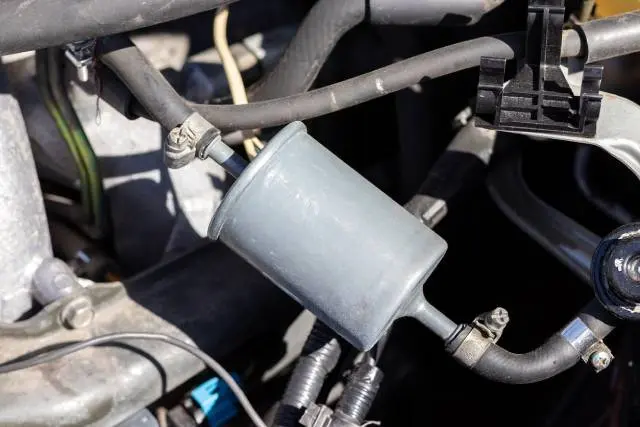
Fuel delivery problems love partial failure. A weak pump can support gentle city driving but fall short during a highway merge. A dirty injector can feed enough fuel to keep the engine alive while still creating an uneven burn. A clogged filter can let the car cruise yet starve it when demand rises.
Ignition faults play the same game. A coil can work when cold and break down when hot. Spark plugs can look acceptable at a glance but fail under cylinder pressure. That is why acceleration problems often feel random to the driver, even when the pattern is there.
A good technician looks for the moment the system falls behind demand. That might mean testing fuel pressure under load, checking misfire history by cylinder, or comparing ignition behavior across temperature changes. The car is not being dramatic. It is showing where the weak link runs out of room.
Airflow and exhaust restrictions that steal response
Airflow problems do not always announce themselves with noise. A restricted air filter, carbon buildup near the throttle plate, a dirty intake path, or an exhaust restriction can make an engine feel muted. The driver presses harder, but the engine does not breathe freely enough to answer with confidence.
Exhaust restrictions can be especially sneaky. A partially clogged catalytic converter may allow normal low-speed driving while choking higher-load acceleration. The symptom feels like the car is pulling a trailer that is not there. That kind of fault can lead people toward fuel or ignition repairs when the real issue sits downstream.
Engine diagnostics helps by measuring pressure, airflow, temperature, and response instead of trusting seat-of-the-pants blame. When acceleration problems come from breathing restrictions, the fix often feels dramatic because the engine finally stops pushing against a closed door.
Turning Diagnostic Results Into Better Driving Decisions
Test results only matter when they lead to smart choices. A code list without judgment can scare drivers into repairs they do not need, while vague reassurance can leave a real problem growing under the hood. The best diagnostic process translates data into priority: what needs attention now, what can be watched, and what improves the way the car feels every day.
Building a repair order that respects the whole car
Good repair planning starts with safety and drivability, not the most dramatic number on the scan tool. A severe misfire deserves faster attention than a minor efficiency code because it can damage the catalytic converter and make the car unsafe under load. A fuel pressure issue matters more than a cosmetic engine cover rattle, even if both show up during the same visit.
Drivers should ask for the reason behind each recommended repair. A strong shop can explain the test result, the symptom it connects to, and the risk of waiting. That kind of conversation protects your budget because it turns repairs into decisions instead of pressure.
Vehicle performance checks also help after the repair. The car should be tested again to confirm that fuel trims improved, misfire counts stayed quiet, and throttle response returned under load. Fixing a symptom is fine. Proving the fix is better.
Using diagnostics as prevention, not panic
Diagnostics should not only happen after the car starts acting badly. A seasonal check before long trips, after buying a used car, or after noticing a small change in fuel economy can catch weak signals early. That does not mean chasing every tiny number. It means watching the patterns that affect dependability.
The practical win is confidence. When you know the ignition system is healthy, the fuel system holds pressure, the air path is clean, and the control module receives stable data, you drive differently. You trust the car more because it has earned that trust.
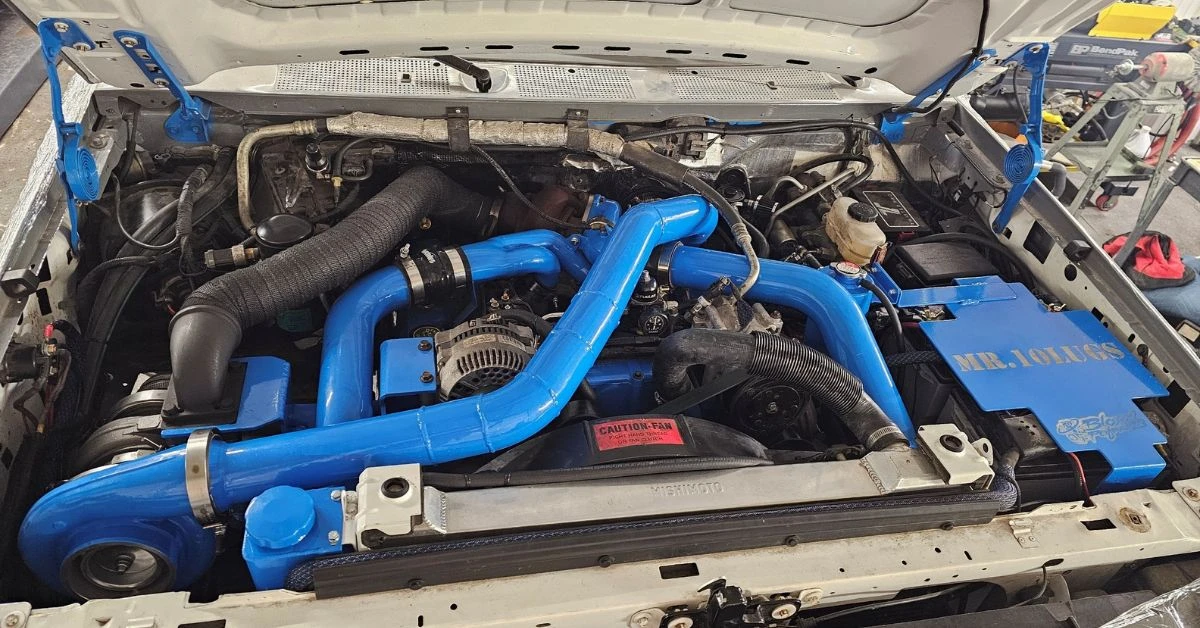
Engine diagnostics also keeps modifications honest. Intake changes, exhaust work, tuning, and upgraded parts can all change how the engine responds. Testing before and after changes gives you proof, not hope. For smoother acceleration, that proof matters more than any shiny part in a box.
Conclusion
A car that accelerates cleanly feels calm because its systems agree with each other. The pedal asks, the sensors report, the fuel arrives, the spark lands, and the drivetrain carries the result forward without argument. When that chain breaks, guessing turns into an expensive habit, and delay turns a minor issue into a larger repair.
The smarter move is to treat engine diagnostics as part of ownership, not as a last resort after frustration wins. You do not need to become a mechanic to make better decisions; you need to recognize that small changes in response deserve attention before they become normal in your mind. Smoother acceleration is not only about speed. It is about control, safety, and the quiet satisfaction of a car doing exactly what your foot asked it to do. Book a proper diagnostic check the next time your car feels hesitant, because the best repair is the one that starts before the problem takes control.
Frequently Asked Questions
How do engine diagnostics help with acceleration problems?
They identify which system is causing the weak response instead of forcing you to guess. A diagnostic check can reveal misfires, fuel delivery trouble, airflow errors, sensor drift, or throttle issues that make the car hesitate when you press the pedal.
What are the most common causes of poor throttle response?
Dirty airflow sensors, worn spark plugs, weak ignition coils, clogged injectors, throttle body buildup, and low fuel pressure often cause poor response. Transmission behavior and exhaust restrictions can also make the engine feel slow even when it still runs.
Can bad engine sensors cause rough acceleration?
Yes, bad or slow sensors can confuse the engine computer. When airflow, oxygen, crankshaft, camshaft, or throttle position signals are wrong, fuel and spark timing can shift away from the engine’s needs, creating hesitation, surging, or uneven pull.
Why does my car hesitate only when accelerating?
Load exposes weak systems. A car may idle well but struggle when it needs more fuel, stronger spark, cleaner airflow, or higher fuel pressure. That is why road testing matters when diagnosing hesitation that only appears during acceleration.
Are vehicle performance checks useful before a long trip?
Yes, they can catch small issues before long-distance driving adds heat, load, and stress. Checking fuel trims, misfire history, battery health, fluid condition, and sensor behavior helps reduce the chance of trouble far from home.
Can a diagnostic scan tell me exactly what part to replace?
A scan points toward the affected system, but it does not always name the failed part. Codes need testing, live data, and inspection to confirm the cause. Replacing parts from codes alone often wastes money.
How often should drivers check engine performance data?
Most drivers benefit from a check when drivability changes, before major trips, after buying a used car, or during scheduled maintenance. Performance-focused drivers may check data more often, especially after modifications or repeated hard driving.
What should I ask a mechanic after an engine diagnostic test?
Ask what test confirmed the problem, how it connects to your symptom, what happens if you wait, and how they will verify the repair afterward. Clear answers show that the recommendation is based on evidence, not guesswork.