
Power loss in a diesel rarely arrives like a blown tire or snapped belt. A diesel fuel filter that starts plugging can make your truck feel lazy on hills, slow to merge, hard to start, shaky at idle, or ready to stall when you ask for throttle. That is why a clogged fuel filter can fool owners into blaming the turbo, transmission, injectors, or bad fuel before checking the plain part that strains every gallon. In U.S. trucks, from an F-250 with a Power Stroke to a Silverado HD with a Duramax or a Ram pulling a camper through Colorado, the pattern often shows up when fuel demand rises. Light driving may feel normal. A trailer ramp, freeway pass, or long grade exposes the restriction. Good automotive maintenance coverage matters here because the difference between a cheap filter service and an expensive fuel-system repair can be one ignored warning. The early signs are not mysterious: poor acceleration, longer cranking, rough idle, stalling, weaker fuel economy, and sometimes a low fuel pressure warning.
What a Diesel Fuel Filter Does Before Power Drops
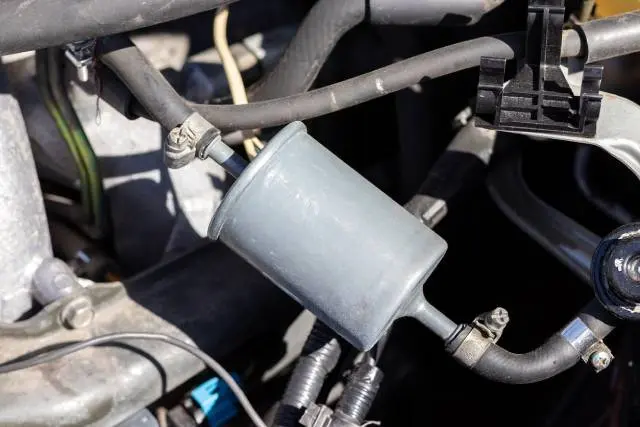
The filter sits between dirty reality and expensive precision. Diesel from a station tank can carry fine grit, rust, wax, or water, and the engine does not need much of that trash to run badly. A modern injection system depends on steady supply before the high-pressure side can do its job, so a small restriction can feel larger than the part looks. Think of the filter as the last guard before the costly side of the system. It is boring when it works, which is why owners forget it until the truck feels weak. Common owner-facing symptom guides point to the same warning family: weak power under load, hard starting, rough running, stalling, lower mileage, and pressure-related warning lights when flow gets restricted. The useful angle is not the symptom list alone. It is the timing: these signs often appear when fuel demand outruns the narrow path left inside the filter. That is also why a fresh filter can make the truck feel sharper without adding power. It removes a brake from the fuel system. The engine returns to the response it was supposed to have. That honest comeback is easy to mistake for magic, yet it is only clean flow doing plain work. For an owner, that is good news because the first repair does not have to be dramatic.
Why a Clogged Fuel Filter Shows Up First Under Load
A diesel can idle on a small amount of fuel. That is why the first drive after the problem starts may not feel dramatic. You back out of the driveway, roll through the neighborhood, and the truck seems fine. Then you climb an on-ramp and the pedal feels like it is asking a question the engine cannot answer.
That gap between idle and load is the clue. Under boost, the engine needs more fuel volume at steady pressure. A clogged fuel filter may still pass enough fuel for a parking lot crawl, then fail when the pump tries to feed a heavy demand. The result feels like hesitation, a flat spot, or loss of engine power that gets worse the harder you work the truck.
The non-obvious part is that the engine may not feel “broken” all the time. A restriction can act like a narrow doorway. One person can pass through it. A crowd cannot. That is why towing a bass boat, carrying tools, or pushing into a headwind can expose the fault before daily errands do.
Why Idle Can Look Normal While the Road Test Feels Bad
Many drivers trust idle too much. A smooth idle does not clear the filter. It only says the engine can survive at low demand. A diesel pickup can sit in a Home Depot lot sounding healthy, then stumble when you pull into traffic five minutes later.
This matters because people often chase the loudest part of the truck first. They listen for turbo whistle, scan for transmission codes, or wonder if the accelerator pedal sensor is fading. Those parts can fail, but a restricted filter has a quieter signature: normal behavior until fuel volume becomes the bottleneck.
A better road test is simple. Note when the stumble arrives. If it happens during hill climbs, highway passing, trailer pulls, or quick throttle after a stop, the filter moves higher on the suspect list. If it happens at random with no load pattern, you widen the search to wiring, air leaks, sensors, or pump issues.
The Symptoms Drivers Notice Before the Truck Quits
Once restriction grows, the truck starts leaving small clues in different places. The mistake is treating each clue as separate. Long crank in the morning, a rough stoplight idle, poor acceleration after filling up, and a sudden limp feel may all point back to one fuel supply problem. Filter trouble usually writes in pencil before it writes in ink. That quiet stage is where owners save money, because the pump has not spent weeks fighting a blocked path and the injectors have not been asked to live on dirty fuel. Pay attention to repeat conditions. A truck that stumbles every time the fuel tank drops below a quarter may be telling a different story than one that acts up after one station visit. A truck that only falls flat on grades is giving you a load clue. Small clues count because diesel drivability problems stack fast. One ignored hard start becomes a rough pull. A rough pull becomes a derate. By the time the dash lights up, the truck may have been asking for help for weeks.
Slow Starts, Rough Idle, and Small Surges
Long cranking is one of the first signs many owners remember after the repair. At the time, it feels like a weak battery or cold morning fuss. The starter spins, the engine catches late, and you tell yourself it has always been a little stubborn.
On a diesel, that delay can come from low supply pressure or air entering during service, but a dirty filter belongs in the first round of checks. If the filter cannot refill the supply side fast enough, the engine waits for pressure. You may also feel a rough idle after startup, especially if fuel delivery pulses instead of staying steady.
Small surges are easy to miss. The tach may flutter. The truck may give a light buck at neighborhood speed. A school bus driver, contractor, or rural mail carrier may notice it sooner than a weekend owner because repeat routes make small changes stand out. The truck feels slightly off, then better, then off again.
Poor Acceleration When Towing, Climbing, or Passing
Poor acceleration is the symptom that gets attention because it makes the vehicle feel unsafe. You press the pedal, hear the engine work, and the speedometer moves with no urgency. That is not only annoying. On a two-lane road, it can turn a routine pass into a bad decision.
The towing example is common in the U.S. because diesel pickups are bought for work. A Ram 2500 may drive empty with no complaint all week, then feel weak when hitched to a horse trailer on Saturday. The owner suspects the trailer weight, wind, or old tires. Sometimes the truck is telling a simpler story: fuel flow cannot keep up.
Here is the counterintuitive piece. A restricted filter does not always lower smoke. In some cases, the computer trims power to protect pressure, so the truck feels clean but gutless. In other cases, unstable delivery can make combustion feel rough. Either way, poor acceleration under load deserves a fuel-side check before you condemn big-ticket parts.
How to Separate Filter Trouble From Bigger Fuel System Damage
A bad diagnosis costs more than the part. Diesel owners know this because injectors, high-pressure pumps, sensors, and turbo repairs can all empty a wallet. The filter should not become a scapegoat for every drivability problem, but it should be checked early because it is a service item, not a mystery box. The goal is not to guess cheaper. The goal is to test in the order that makes mechanical sense. That order matters in a driveway and at a shop counter. If you walk in saying the turbo is bad, the conversation starts in the wrong bay. If you walk in with mileage, recent fuel stops, load conditions, warning messages, and service history, the diagnosis gets sharper. That record also helps separate a one-time dirty fuel event from a part that has reached its service limit. The repair bill often follows the quality of the story you bring in.
Fuel Pressure Clues Without Guessing at Parts
A scan tool helps when it shows commanded rail pressure and actual rail pressure. If actual pressure falls behind during hard throttle, the truck has a fuel supply question. That question may involve the filter, lift pump, tank pickup, pressure regulator, air leak, or high-pressure pump. The filter is often the easiest honest test.
Some vehicles also show a filter-life message or low fuel pressure code. Those warnings are useful, but they are not a judge and jury. A reset without a filter change can hide the message while the restriction remains. Aftermarket sensors and modified fuel systems can also change how warnings appear.
A careful shop will not guess from one symptom. It will ask when the problem happens, check service history, inspect for leaks, test pressure, and look at the removed element when possible. If the old filter is dark, slimy, rusty, or packed with debris, the next question is where the contamination came from. Replacing the part is step one. Finding the source protects the next part.
When Water, Sludge, or Cold Fuel Changes the Pattern
Water changes the feel of the problem. Instead of a slow decline, the truck may stumble after a fill-up or trigger a water warning. Many diesel setups include a separator or drain because water can harm pumps and injectors. If the drained sample looks cloudy, layered, or dirty, do not treat it like a routine filter swap.
Cold weather adds another twist. Diesel can wax or gel in low temperatures, and the filter often becomes the place where that problem shows up. A truck that ran fine in Dallas may struggle on a cold trip through Kansas because fuel treatment, blend, and temperature now matter. The symptom feels like a restriction because it is one, but the cause is seasonal.
This is where the U.S. Department of Energy’s diesel vehicle overview helps with the bigger picture. Modern diesel performance depends on fuel delivery, combustion, and emissions hardware working as a system, not as separate islands.
What to Do Before the Restriction Turns Expensive
The repair path should be calm. Do the low-risk checks first, then prove the next move. A diesel with loss of engine power does not need panic parts thrown at it. It needs clean fuel, correct pressure, a proper prime, and a driver who pays attention after the service. That last part matters more than most people admit. If the same symptom returns after a new filter, the story has changed from worn service item to contamination, air entry, pump weakness, or a tank-side problem. The worst move is replacing one part again and again while ignoring why it loaded up. A second blocked filter in a short span is not bad luck. It is evidence. The tank may need inspection. The fuel cap may be letting moisture in. The owner may be buying from a slow pump with stale fuel. The fix becomes bigger only if the clues keep getting ignored.
Replace, Prime, and Recheck the Service History
Start with the owner’s manual interval, then adjust for use. A truck that idles at job sites, fuels from small rural stations, tows in dusty areas, or sits for weeks between trips may need closer attention than a highway commuter. Factory intervals are a baseline, not a promise that every fuel tank in America is spotless.
Use the correct filter. Cheap parts can fit poorly, leak air, or miss the water-separation needs of the system. After replacement, prime the system exactly as the manufacturer requires. A rushed prime can create hard starts and make a good filter look guilty.
Keep a record. Write the mileage, brand, fuel station pattern, and any warning lights. If the same problem returns soon, that record becomes evidence. You are no longer guessing whether the part wore out with age or loaded up because the tank, fuel source, or storage habit is feeding it dirt. For deeper follow-up, save a place in your maintenance plan for how to diagnose diesel power loss and fuel system maintenance checklist. Those internal notes can help you separate repeat filter restriction from air leaks, weak lift pumps, injector balance issues, or exhaust-side derates.
Build Habits That Protect Injectors and Pumps
Buy fuel from stations with steady diesel traffic. That does not make bad fuel impossible, but it lowers the odds of old fuel sitting in a quiet underground tank. For many U.S. owners, truck stops and busy farm-route stations beat random pumps that sell little diesel.
Do not run the tank near empty as a habit. The old warning about sucking trash from the bottom gets overstated, but low fuel does create heat and return-flow stress in some systems. It also gives you less margin if cold weather, contamination, or a weak lift pump enters the picture.
Drain the separator when the manual calls for it, not six months after the dash light has been ignored. Keep a spare filter on long towing trips if your truck allows roadside service. That small habit can matter in places like Wyoming, West Texas, northern Maine, or anywhere the next diesel shop is not near the next exit.
Conclusion
Power loss in a diesel should never send you straight to the most expensive theory. The smartest move is to read the pattern first: when it starts, what load brings it on, whether starting changed, and whether idle still hides the trouble. A restricted diesel fuel filter can mimic larger failures because modern engines depend on steady pressure before they can make clean torque. That does not mean every weak truck needs a filter and a prayer. It means the filter deserves an early, honest check before injectors, pumps, turbos, or transmissions get blamed. Treat poor acceleration, rough starts, and loss of engine power as clues in one story, not random annoyances. Ask what changed, then test the simple parts before blaming the rare ones. If the truck earns its living, build filter checks into the same routine as tires, oil, and brakes. Keep clean fuel habits, document service, and act before the truck reaches limp mode on a grade. The repair may be small, but the discipline behind it saves the expensive parts.
Frequently Asked Questions
How do I know if my fuel filter on a diesel is clogged?
Look for power loss under load, long cranking, rough idle, stalling, weak throttle response, or a low fuel pressure warning. The clearest clue is a truck that idles normally but struggles when towing, climbing, or passing at highway speed.
Can a bad filter cause poor acceleration without a check engine light?
Yes. Some trucks lose response before a warning appears. The engine may still run within a range the computer accepts, especially during light driving. A road test under load and a pressure check can reveal the restriction sooner.
Is it safe to drive with a clogged fuel filter?
Short local driving may be possible, but it is a bad gamble. Fuel starvation can cause stalling, limp mode, hard restarts, and extra strain on pumps. Avoid towing or highway passing until the problem is checked.
How often should I change the filter on my diesel truck?
Follow the owner’s manual first. Many trucks also need earlier service when they tow often, idle for long periods, use rural fuel stops, sit unused, or run in cold weather. Service history matters more than a universal mileage guess.
Can bad diesel from a gas station clog the filter fast?
Yes. Water, rust, sludge, or old fuel can load a fresh filter in a short time. If symptoms begin soon after a fill-up, save the receipt, drain a sample when safe, and have the fuel system inspected.
What does loss of engine power feel like from fuel restriction?
It often feels like the truck hits an invisible wall. The engine may run, but acceleration fades when you press harder. It can be worse on hills, with a trailer, into wind, or during a freeway merge.
Will replacing the filter fix rough idle every time?
No. A dirty filter can cause rough idle, but so can air leaks, injector issues, weak pumps, sensor faults, or poor fuel. Replacement is a sensible first step when service is due, but repeat symptoms need testing.
Why does my diesel run better after sitting for a while?
A short rest can let pressure recover or let debris shift away from the filter media. That temporary improvement does not prove the problem went away. If symptoms return under load, treat it as a fuel delivery warning.