
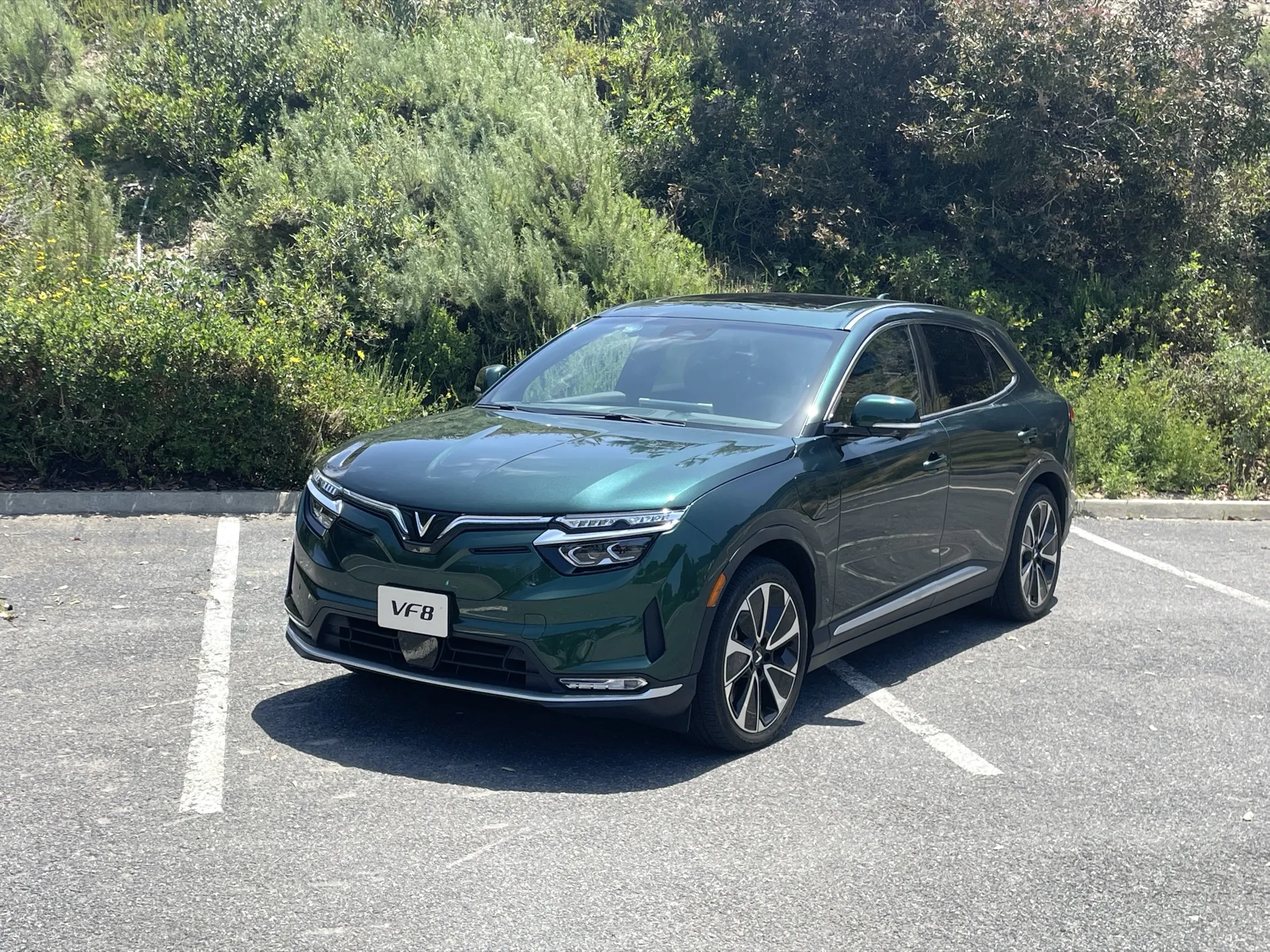
A new car earns trust in small moments most ads never show. For many U.S. drivers studying VF8 build quality, those moments have been squeaks over rough pavement, warning messages that appear at the wrong time, panels that do not sit flush, and service visits that feel too early in the ownership story. The core search intent is simple: people want to know whether the complaints are scattered gripes or signs of a young electric SUV reaching buyers before it felt fully sorted. That matters because the VF8 did not arrive as a quiet experiment. It came to America with bold pricing, a fresh badge, and attention from shoppers who track EV launches through automotive ownership reporting. Early reviews and owner notes point to a pattern: useful ideas, appealing equipment, and a cabin that can look upscale at first glance, but also fit-and-finish complaints, technology faults, and driver-assist concerns. NHTSA opened a preliminary evaluation in 2024 after owner reports about lane-keep behavior on 2023–2024 models, giving some complaints a safety angle rather than only a comfort angle.
Why VF8 build quality Became a Trust Test for Early Buyers
The first wave of buyers did not judge the VF8 like a bargain commuter car. They judged it like a mid-price electric SUV asking Americans to trust a new badge with daily family duty. That raised the bar. When a door trim piece buzzes, a sunroof creaks, or a screen throws an error, the question is not only “Can this be fixed?” It becomes “What else did the factory miss?” That is the burden every new automaker faces, but the VF8 carried it in public, with owners and reviewers comparing notes while the company was still building its U.S. reputation.
Panel fit, cabin noise, and the feeling of an unfinished handoff
Fit and finish problems hit differently when they show up before the first oil-free service visit. MotorTrend’s early drive described uneven panel gaps, a creaking sunroof, and concern over a broken third brake-light lens on one vehicle. Those are not abstract reviewer complaints. They are the kind of details a buyer notices while washing the car in a driveway or loading groceries after work.
Owner feedback on Edmunds has followed a similar thread. Some reviews praised the idea and design, then complained about squeaks, software faults, screen errors, AC problems, speakers, and an undriveable episode. A single review page does not define every vehicle, but when the same themes repeat across early ownership, shoppers pay attention. VinFast VF8 complaints became less about one bad afternoon and more about whether the launch batch felt ready for American roads.
The non-obvious part is that small cabin noises can hurt trust more than a dramatic failure. A squeak does not stop a car. A slightly uneven panel may never create a repair bill. Yet those details sit in your ear every mile, telling you the car may have left the line before the final shake-down. In a new brand, that whisper gets loud, especially when the buyer cannot fall back on decades of American service history.
Why early owner issues feel worse in a new-brand SUV
A Toyota owner may grumble about a rattle and assume the dealer has seen it before. A new-brand EV owner does not have that comfort. Early owner issues carry extra weight because the service network, parts flow, technician training, and software update rhythm are all being tested at once. The vehicle is not the only product being judged. The whole ownership system is on trial.
That is why electric SUV reliability is not only about motors and battery packs. It is about the whole chain around the car. If the screen needs an update, the trim needs adjustment, and the driver-assist system needs diagnosis, the owner is not dealing with three separate annoyances. They are dealing with one question: can the company support the product it sold?
The VF8 shows the risk of entering the U.S. market with ambition but limited customer history. Some buyers may accept launch quirks if the lease price is sharp and the warranty is long. Others will not. The hidden lesson is that a first-generation EV does not need to be flawless, but it must feel honest about its rough edges. If a car feels unfinished, owners start looking for proof that the company sees the same flaws they do.
Software Faults Made Physical Flaws Harder to Forgive
The build story did not stay inside door gaps and cabin trim. For many drivers, software behavior colored the way they read every physical defect. A rattle can feel like a minor issue in a calm car. In a car already flashing warnings, losing settings, or behaving oddly on the road, the same rattle feels like more evidence that the vehicle is not settled. That is why the VF8 debate can feel messy: owners may describe a physical problem, a tech problem, and a confidence problem in the same breath.
When warning screens change how drivers judge the cabin
Modern EVs turn the dashboard into a trust center. If the screen is calm, you relax. If it fills with alerts, even a normal drive can feel tense. Edmunds owner reviews mention repeated fault messages, reset preferences, AC and screen complaints, and other technology problems. That matters because many VF8 controls pass through screens and software menus, so a glitch affects more than entertainment.
Here is the practical side. A gasoline SUV with a buzzing trim panel still lets you turn a physical knob, read analog gauges, and drive without thinking about operating-system mood swings. In an EV like the VF8, the cabin experience is tied to software confidence. If the software feels jumpy, the whole interior feels less finished.
That link between software and perceived quality is easy to miss. Shoppers often separate “build” and “tech” into different boxes. Owners do not. When a screen forgets preferences and the cabin creaks over a speed bump, both land in the same mental folder: this car needed more time. A quiet cabin can make imperfect software more forgivable. A nervous screen can make one loose panel feel like part of a larger story.
Driver-assist behavior turned annoyance into a safety question
The lane-keep complaints changed the conversation because they moved beyond comfort. NHTSA’s Office of Defects Investigation said it identified 14 Vehicle Owner Questionnaire reports on 2023–2024 VF8 vehicles alleging Lane Keep Assist problems, including wrong activation, lane-detection trouble, steering inputs that were improper, and high effort to override. The agency opened a preliminary evaluation to study scope, frequency, and severity.
That does not mean every VF8 has the same issue. It also does not prove a safety defect by itself. A preliminary evaluation is a process, not a final judgment. Still, for a shopper comparing EVs, the existence of a public safety review changes the tone of the research. It moves the question from “Will this annoy me?” to “Will this surprise me when I need the car to behave?”
A driver-assist system should reduce workload. If a driver feels the need to fight it, even once, confidence drops. This is where electric SUV reliability becomes personal. You are not asking whether the car has the newest feature. You are asking whether the feature behaves in a way your spouse, teenager, or parent can trust on a rainy freeway. In that moment, brand ambition means nothing. Steering feel means everything.
Service Support Became Part of the Quality Story
Once an early buyer reports problems, the car’s physical condition is only half the story. The second half starts at the service desk. A fast fix can turn a defect into a footnote. A slow fix can make a mild problem feel like a mistake you see in the driveway every morning. This is where a new EV brand either earns patience or burns through it. Distance matters too. A small repair feels different when the nearest trained service team is across town, booked out, or still learning the product. The car may be under warranty, but your Tuesday still disappears.
A small defect becomes bigger when the fix takes effort
Think about a loose trim clip. On paper, it is minor. In real life, you may need to schedule service, arrange transport, explain the noise, wait for a part, and hope the cabin comes back without a new rattle. That work becomes part of the complaint. The owner is not only hearing the buzz. The owner is planning around it.
This is where VinFast’s U.S. challenge differs from older automakers. A long-established brand has dealer habits, parts pipelines, and independent shop knowledge built up over decades. A newer entrant has to create that confidence while owners are already driving the product. Early owner issues expose the support system as much as the assembly line.
A useful inspection mindset helps here. Before buying any used VF8, read a used EV inspection checklist, then bring that list to the car instead of trusting photos. Open every door. Drive over rough pavement. Test the screen after a sleep cycle. Pair a phone, reset a profile, then see whether the settings stay. A short test drive on smooth streets hides too much.
The warranty promise helps, but it does not erase downtime
Car and Driver lists a long limited warranty for the 2025 VF8 and notes brisk acceleration and competitive range among the highs, while also flagging bouncy ride behavior, safety-tech warnings, and pricing concerns. That mixed picture matters. A warranty can reduce financial fear, but it cannot give back the hours spent chasing repeat issues.
This is the counterintuitive part: a strong warranty may make some buyers more willing to gamble, but it can also draw attention to why the gamble exists. If shoppers need reassurance before the test drive, the brand has already lost some ground. Peace of mind starts with the car feeling right, not the paperwork promising help later.
That does not make the VF8 impossible to own. It means the right buyer must be honest. A discounted lease with nearby support may make sense for someone patient, curious, and comfortable with software updates. A commuter who needs silent, predictable transport may feel punished by the same deal. The best warranty experience is the one you rarely need.
How Shoppers Should Read Complaints Before Buying One Used
The smartest way to judge the VF8 is neither panic nor blind optimism. Early complaints deserve weight, but they need sorting. Some issues belong to early launch cars. Some may improve through software. Some point to factory or calibration choices that matter on every drive. The job is to separate noise from risk, then decide whether the price leaves enough room for patience. Treat the vehicle less like a normal used-car hunt and more like a first-generation tech purchase. The spec sheet can look attractive while the exact copy in front of you still feels unsettled.
Separate launch-car noise from repeatable warning signs
Start by grouping complaints into three buckets: cosmetic, operational, and safety-related. Cosmetic problems include panel alignment, trim buzzes, weather-strip quirks, and cabin squeaks. Operational problems include frozen screens, saved settings that vanish, AC faults, speaker issues, or charging confusion. Safety-related concerns include steering, braking, unintended driver-assist inputs, and warning messages tied to movement.
This method keeps emotion from taking over. It also keeps one angry owner review from carrying too much power. VinFast VF8 complaints should be read as a pattern map, not a courtroom verdict. Look for repeat claims across owner reviews, professional testing, and government records. When two of those three point in the same direction, the concern deserves more weight.
For official safety research, use the NHTSA vehicle safety complaint database and search by year, make, and model. NHTSA’s own opening resume on the VF8 lane-keep evaluation is a better anchor than social media because it explains the allegation, vehicle population, report count, and the agency’s purpose.
Test-drive the exact car, not the discount
A cheap VF8 can be tempting because EV depreciation has been rough across many brands. Still, the discount is not the car. The car is the one in front of you, with its own software version, repair history, tire wear, cabin noises, and warning behavior. A low price should make you more careful, not less.
Use a test drive that copies your real life. Take it on grooved pavement. Try a freeway lane with clear markings, while staying alert and ready to steer. Park it in a tight lot and watch the cameras. Let the vehicle sleep, then wake it again. Check whether seat, mirror, climate, and driver-assist settings behave as expected. Ask for service records, not promises. Bring a passenger if you can. One person should listen while the other drives, because the person gripping the wheel often misses the faint buzzes and screen delays that become obvious later. If the seller limits the route to a short loop, take that as information. A confident car can survive a normal errand-style drive, including broken pavement, a parking lot, a restart, and a few minutes of quiet listening.
Before signing, compare your findings with EV warranty questions before buying. A low monthly payment feels good for one evening. A car that annoys you five days a week will drain that joy fast. The VF8 may fit a certain buyer, but it should earn the sale through the exact vehicle’s behavior, not through a lease special. If the salesperson rushes the drive, slow it down.
Conclusion
The VF8 story is not a simple tale of a bad car or a misunderstood newcomer. It is a warning about how hard the U.S. market can be when buyers expect a new EV to feel mature on day one. The complaints matter because they touch the ownership experience from several sides: cabin finish, software confidence, driver-assist behavior, and service follow-through.
For shoppers, VF8 build quality should be treated as a hands-on inspection topic, not a forum argument. Some vehicles may feel better than the loudest early reports suggest. Others may show the same rattles, alerts, and rough edges that made early adopters regret moving so fast. The difference will not show up in a stock photo.
My view is simple: do not buy the promise, buy the evidence. Drive the exact SUV, read the service file, check the safety record, and walk away if the car asks you to make excuses before you even own it. A good EV should make your life quieter, not give you a new hobby in problem-solving.
Frequently Asked Questions
What are the most common VinFast VF8 complaints from early owners?
Common reports include cabin squeaks, warning messages, screen faults, driver setting problems, AC concerns, speaker issues, and uneven fit and finish. Some owners also reported driver-assist behavior that felt unsettling, which is why official safety records are worth checking before buying.
Is the VinFast VF8 a safe electric SUV to buy used?
A used VF8 should be judged by its service history, software status, and test-drive behavior. NHTSA records should be checked by model year. A clean title alone is not enough because software and driver-assist concerns may not appear in a basic vehicle-history report.
How can I inspect a VF8 for cabin quality problems?
Drive it over rough pavement at low and moderate speeds, then listen for trim buzzes, roof noise, door rattles, and seat movement. Check panel alignment in daylight. Open and close every door, hatch, and charge port. Small sounds can reveal repair needs.
Are VF8 software issues separate from build problems?
They are separate on a repair order, but not in the owner’s mind. If the cabin has rattles and the screen also throws alerts, the whole vehicle feels unfinished. In modern EVs, software behavior strongly shapes the way drivers judge quality.
Should I avoid early-production VF8 models?
Avoiding them is wise if you need calm, predictable transportation and have little patience for repeat service visits. A careful buyer may still consider one with full records, nearby support, and a strong discount, but the exact vehicle must pass a demanding test drive.
Why did American early adopters react so strongly to the VF8?
Expectations were high because the VF8 entered a crowded U.S. EV market with confident pricing and big promises. Early adopters were not comparing it with budget transportation. They were comparing it with established electric SUVs that already had service networks and buyer history.
What should I ask a seller before buying a used VF8?
Ask for service records, software update history, open recall status, warranty transfer details, and any repeat complaints. Ask whether the vehicle has had screen, AC, steering-assist, trim, or charging issues. A vague answer should slow the deal down.
Can software updates fix the VF8’s early owner issues?
Some faults may improve through software, especially screen behavior, alerts, and driver-assist calibration. Physical concerns such as rattles, panel gaps, roof noise, or trim fit need hands-on repair. The safest view is to confirm current behavior rather than trust future updates.