
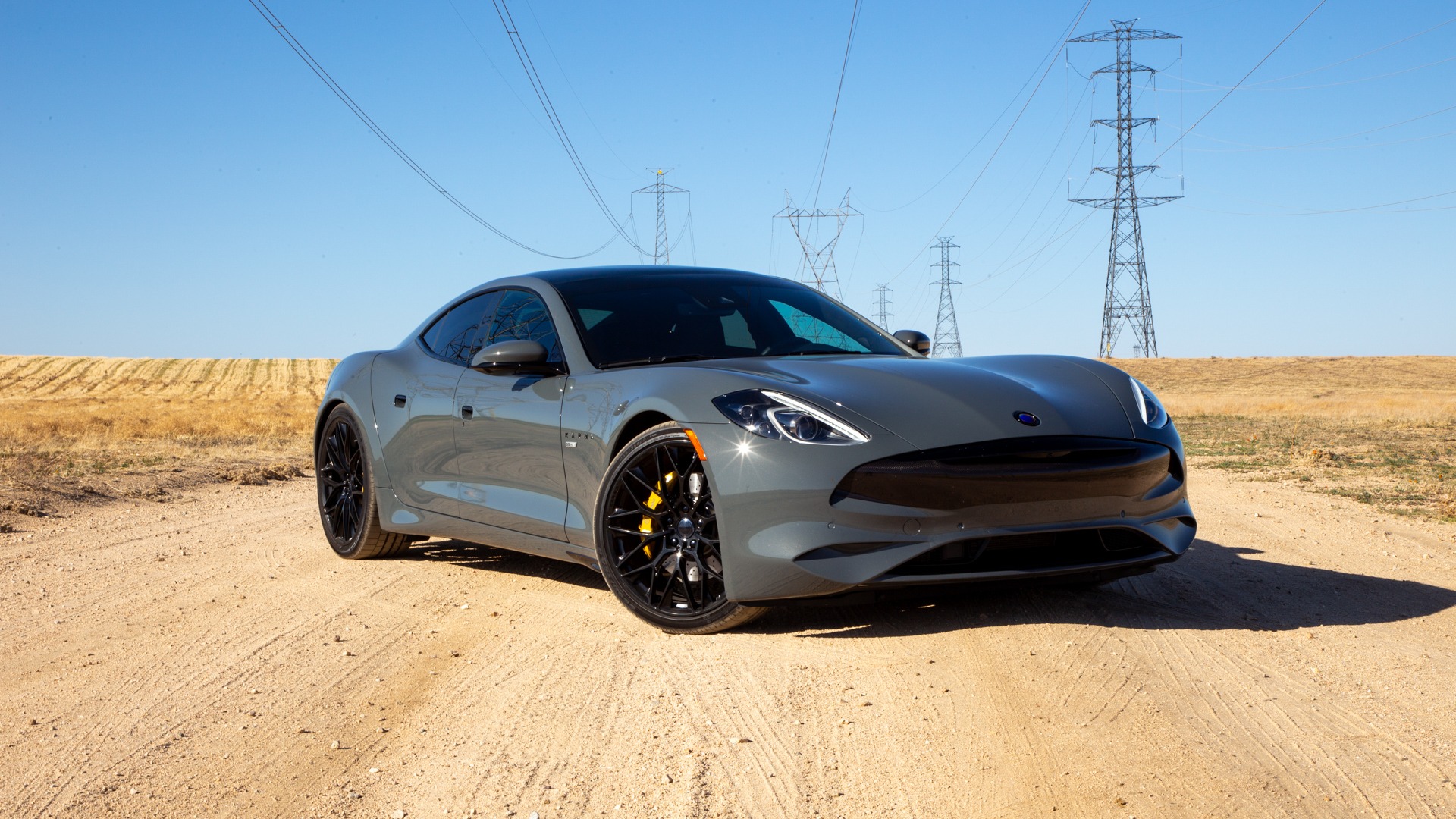
A Karma GS-6 does not talk like a normal gas sedan, and that can make one dash symbol feel more serious than it is. Karma GS6 warning lights point to issues in the electric drive unit, high-voltage battery, range-extender engine, cooling loop, charging hardware, brakes, or low-voltage electrical system. The smart move is to judge the color, the message, the way the car drives, and what happened right before the alert appeared. A red alert, power loss, burning smell, coolant warning, or charging fault needs fast attention. A yellow icon may still need service, but it often gives you time to park safely and document the pattern. The GS-6 is a rare American-market plug-in luxury sedan, so good notes matter more than guesswork. For broader car care reading, trusted automotive ownership guides can help you think through symptoms before you call a shop. Karma’s own material describes the GS-6 as a high-output electrified car, and its first responder guide notes that electricity is stored in a high-voltage battery while gasoline sits in a regular fuel tank.
Karma GS6 Warning Lights That Need Fast Attention
The first job is not to name the symbol. The first job is to decide whether you can keep moving. That sounds simple until you are on I-95, the cluster flashes, and the car feels normal for the next half mile. In the GS-6, some alerts are safety calls. Others are early service clues. Treat the dash like a triage screen, not a fortune teller.
Red alerts, flashing icons, and the stop-now rule
Red means the car is asking for respect. If a red battery, brake, coolant temperature, oil pressure, or electrical fault alert appears, pull over where it is safe. Do not test the car to see whether it “still feels fine.” A GS-6 can mask trouble because the electric motors may keep the drive smooth while another system is struggling.
A flashing alert is also different from a steady amber reminder. Flashing usually means the fault is active enough that continued driving may add damage. If the car cuts power, refuses a drive mode, shows a high-voltage message, or tells you to stop, listen. The expensive mistake is acting calm because the cabin is quiet.
One non-obvious detail matters here: the range-extender engine can come on or shut off without the old clues gas-car drivers expect. You may not hear much at low speed, and the car may still roll cleanly under electric drive. That does not prove the gasoline side is healthy. It only proves the car still has a way to move.
What a hybrid system alert tells you before the car slows down
A hybrid system alert is not one single diagnosis. It can be tied to the battery pack, inverter, generator, charging gear, thermal controls, software state, or the smaller 12-volt system that wakes up modules. That last part catches owners off guard. A weak low-voltage battery can make a high-dollar car act haunted.
Karma’s emergency guide lists a sealed 12-volt AGM battery along with a lithium-ion 400-volt system, which is a good reminder that this car has more than one electrical layer. The big pack gets the attention, but the smaller battery still helps the car boot, communicate, and manage control modules.
Think of it like a hotel with a powerful generator in the basement and a bad front-desk computer. The building has energy, but nobody can check you in. That is why a GS-6 owner should not assume every hybrid message means the main battery is failing. The scan data has to lead the repair, not the most expensive guess.
Hybrid Battery, Charging, and High-Voltage Alerts
Battery-related messages can scare owners because the GS-6 is not a common Toyota hybrid with a shop on every corner. The fear is fair, but panic is not useful. The high-voltage system has rules, and the best owners follow them: do not touch orange cables, do not open anything sealed, and do not keep charging if the car reports a fault.
The battery symbol is not always the big pack
A high-voltage battery warning can mean battery temperature, isolation fault, charge limit, coolant flow, contactor behavior, or communication trouble. It may also show up after a weak 12-volt event, a failed charging session, or a software wake-up issue. The symbol is the headline. The fault code is the article.
Karma’s first responder material says the high-voltage system can carry DC voltage up to 400 volts, and it identifies orange cables as high-voltage components. That is not a DIY invitation. It is the opposite. You can inspect for obvious damage from a safe distance, but you should not touch high-voltage parts or try to reset sealed components by hand.
Here is the odd part: the least dramatic symptom can be the one worth taking seriously. A car that charges slowly in a hot garage, then later shows a yellow battery alert, may be telling you about heat management before it becomes a roadside event. A loud failure gets attention. A repeated mild pattern earns it.
Charging faults and what to record before service
When a charge-related alert appears, write down the charger type, state of charge, outdoor temperature, and whether the car accepted power for a few seconds before stopping. If you used a public Level 2 charger in a grocery store lot, try a known home unit later only if the car does not tell you to stop. Bad public hardware can confuse the moment, but it should not become your excuse.
A high-voltage battery warning during or after charging deserves more care than a random yellow service icon. Unplug only when it is safe, inspect the port for debris or moisture without poking around, and check whether the charge door, cable latch, or household circuit acted strange. Then let a qualified Karma service provider read the data.
Owners shopping used models should also check open safety recalls before blaming age or previous care. The official NHTSA recall lookup lets drivers search by VIN for open safety recall information, and that matters with any low-volume luxury car. NHTSA says its tool can search recalls by VIN and other safety issue information by NHTSA ID or keyword. For a buying checklist, add used plug-in hybrid inspection steps before you sign paperwork.
Engine, Range Extender, and Drive Mode Messages
The GS-6 is easy to misunderstand because it does not behave like a basic hybrid. Its electric motors drive the rear wheels, while the gasoline engine works as a generator in many driving conditions. So an engine-related alert does not always feel like a misfire, shift problem, or rough idle the way it might in a regular sedan.
Stealth, Sustain, and Sport change what you hear
Karma describes three drive modes on the related Revero family: Stealth for electric driving, Sustain with generator support, and Sport using both electric and generator operation. In daily use, that means the same sound can be normal in one mode and suspicious in another. A cold start during Sustain on a winter morning in Ohio may not mean the car is sick.
A reviewer driving a 2021 GS-6 from Los Angeles toward Palm Springs noted that the gasoline engine came in after the battery had given up its electric range, while the cluster told the driver the range-extending engine was in use. That kind of transition can feel strange if you bought the car for quiet electric miles.
The counterintuitive lesson is simple: silence is not always good, and noise is not always bad. What matters is whether the engine starts when expected, stays within normal behavior, and does not arrive with a check-engine icon, fuel smell, rough vibration, power cut, or heat alert.
Check-engine icons matter more on a series hybrid
A check-engine symbol on the GS-6 may relate to emissions, fuel system, generator output, sensor readings, or engine control. Since the engine may run only part of the time, a problem can hide until the car asks the generator to work. That is why some owners see an alert after a long electric stretch, then wonder why nothing happened during short errands.
Do not clear codes to “see if they come back” before service. That can erase freeze-frame data, which shows the conditions present when the car stored the fault. A small independent shop with a generic scanner may see an emissions code, but it may miss hybrid-side context. Karma’s technical portal lists diagnostic trouble code references, service publications, workshop manuals, electrical schematics, and owner operation manuals for professional access.
A concrete example: you drive from San Diego to Temecula with a low battery and the car starts using the generator on a grade. The check-engine icon appears, but the car still moves. That does not make it harmless. The alert appeared when the engine was finally asked to carry load. The timing is the clue.
Brake, Cooling, and Service Alerts Owners Should Not Shrug Off
The GS-6 has weight, speed, regenerative braking, and a high-voltage thermal system all working in the background. That mix can make some service alerts feel less urgent than they are. The car may still stop well. It may still launch hard. It may still look calm. Then the bill arrives because a small signal was ignored for weeks.
Regenerative braking can hide a normal brake problem
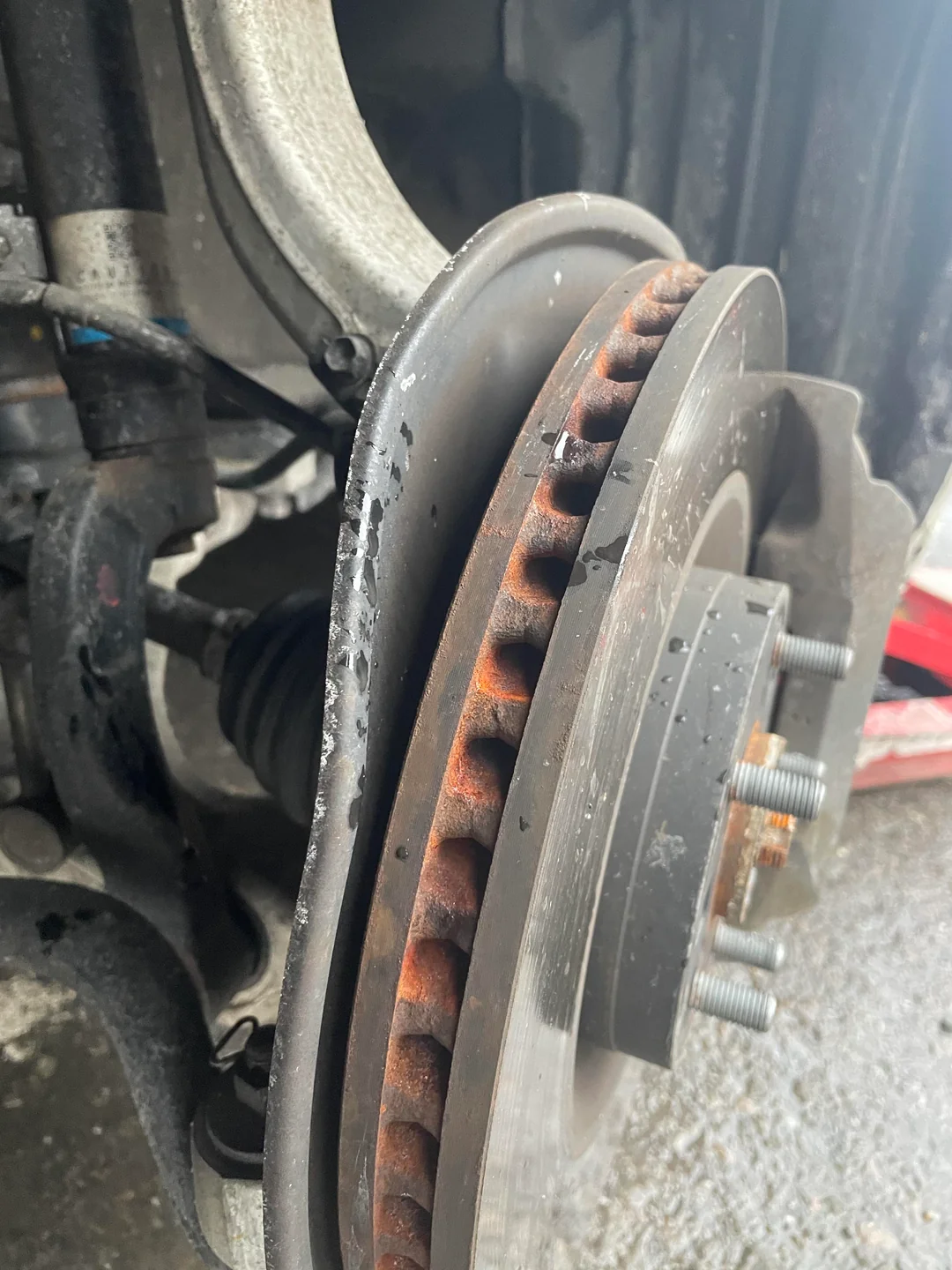
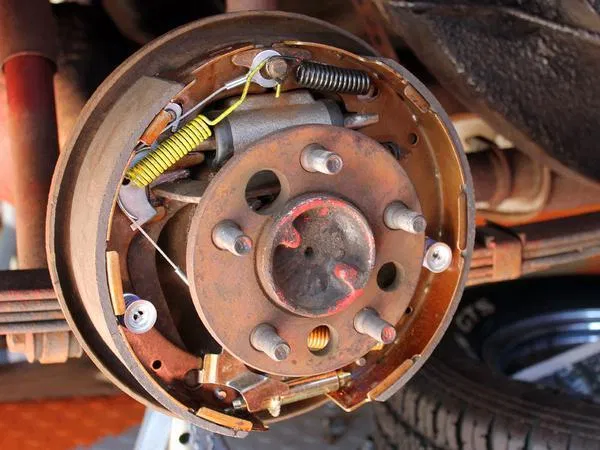
Regenerative braking changes how you read brake feel. In a standard gas sedan, a warped rotor, sticky caliper, or hydraulic issue may announce itself through pedal feel early. In a plug-in car, regen can handle some slowing before the friction brakes take over. That can delay the moment when a driver notices a mechanical brake problem.
If a brake system alert appears, check whether the parking brake is set, then take the rest seriously. ABS, stability control, brake fluid, or brake assist messages are not style notes. They affect how the car behaves when a deer jumps out in rural Pennsylvania or traffic locks up on the 405.
Here is the overlooked part: low use can be hard on brakes. A GS-6 driven mostly on electric power with gentle regen may not scrub rust from rotors as often as a commuter sedan. That does not mean the brakes are weak. It means the owner needs to notice noise, vibration, uneven stopping, and alerts before a safety system is asked to save the day.
Coolant alerts deserve faster attention than they get
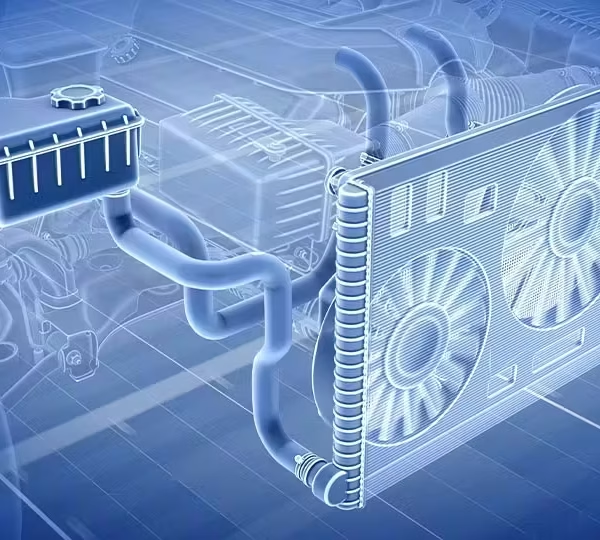
Cooling is not only about the gasoline engine. The GS-6 uses high-voltage hardware that needs thermal control, and Karma’s first responder guide lists high-voltage system coolant among stored liquids. That makes a coolant message more serious than “top it off later.” Heat can protect itself by reducing power, but heat can also shorten component life.
In Arizona, Texas, Florida, or inland California, a cooling alert after fast charging, hill driving, or stop-and-go traffic should not be brushed off. Park safely, let the car settle, and do not open pressurized caps when hot. Look for puddles, smell, steam, or a fan that sounds abnormal, but keep hands away from orange cables and high-voltage zones.
The resolution is boring, which is why it works: document the moment, stop driving if the alert is red or paired with power loss, and schedule proper diagnosis. For related maintenance planning, keep hybrid coolant service warning signs on your owner checklist. A rare car rewards calm notes more than brave guesses.
Conclusion
A GS-6 does not give you dashboard drama for entertainment. The car is trying to rank risk across two electrical systems, a gasoline generator, charging equipment, cooling loops, braking hardware, and software controls. Treat Karma GS6 warning lights as a fault tree, not a single answer. Red or flashing means stop and protect the car. Yellow means slow down, gather details, and schedule the right scan before the issue grows. The best owner response is steady: note the color, message, drive mode, battery level, charger type, temperature, sound, smell, and whether power changed. Then bring those facts to a Karma-aware service provider. This car is uncommon, and that makes good information worth money. Guesswork burns time. Clear notes shorten the path from dash symbol to repair. When the cluster speaks, answer it with patience, not fear.
Frequently Asked Questions
What should I do if my Karma GS-6 shows a red hybrid alert?
Pull over in a safe place, shift into park, and shut the car down if the message tells you to stop. Do not keep driving to test it. Call roadside help or a Karma service provider, especially if power drops, heat rises, or the car refuses a drive mode.
Can a weak 12-volt battery trigger hybrid messages in a Karma GS-6?
Yes. The smaller battery helps wake up modules and support control systems. When it gets weak, the car may show strange alerts that look larger than the root cause. Have the 12-volt battery tested before assuming the main pack has failed.
Is it safe to drive with a yellow battery symbol?
Sometimes, but it depends on the message and symptoms. If the car drives normally and the alert is steady amber, you may be able to reach home or service. Stop sooner if the alert comes with power loss, charging failure, heat, smell, or repeated cycling.
Why does the GS-6 engine start when the battery still shows charge?
The car may start the generator to maintain performance, protect battery charge, support drive mode demands, or manage system needs. That can be normal. It becomes a concern when the engine starts with rough vibration, check-engine alerts, fuel smell, or reduced power.
Can a basic OBD2 scanner read GS-6 fault codes?
It may read some emissions or engine codes, but it may miss hybrid-side information. The GS-6 needs deeper diagnostics for battery, inverter, charging, and control-module faults. A basic scan can help, but it should not decide an expensive repair alone.
How much can diagnosis cost for a GS-6 hybrid issue?
Pricing varies by shop, region, and access to Karma service tools. Expect diagnosis to cost more than a common gas sedan because the car is low-volume and system access is specialized. Ask for the scan report, fault codes, and next test steps before approving parts.
Should I check recalls before paying for hybrid repairs?
Yes. Search the VIN through NHTSA and ask Karma service whether any campaigns apply. Recall or campaign status can change the repair path. It also helps used buyers spot unresolved safety work before taking on a rare luxury plug-in sedan.
What details should I write down before calling service?
Write the exact message, icon color, mileage, battery level, fuel level, drive mode, charger type, weather, road speed, sounds, smells, and whether the car lost power. Photos of the cluster help. Those notes can save diagnostic time and prevent wrong guesses.