
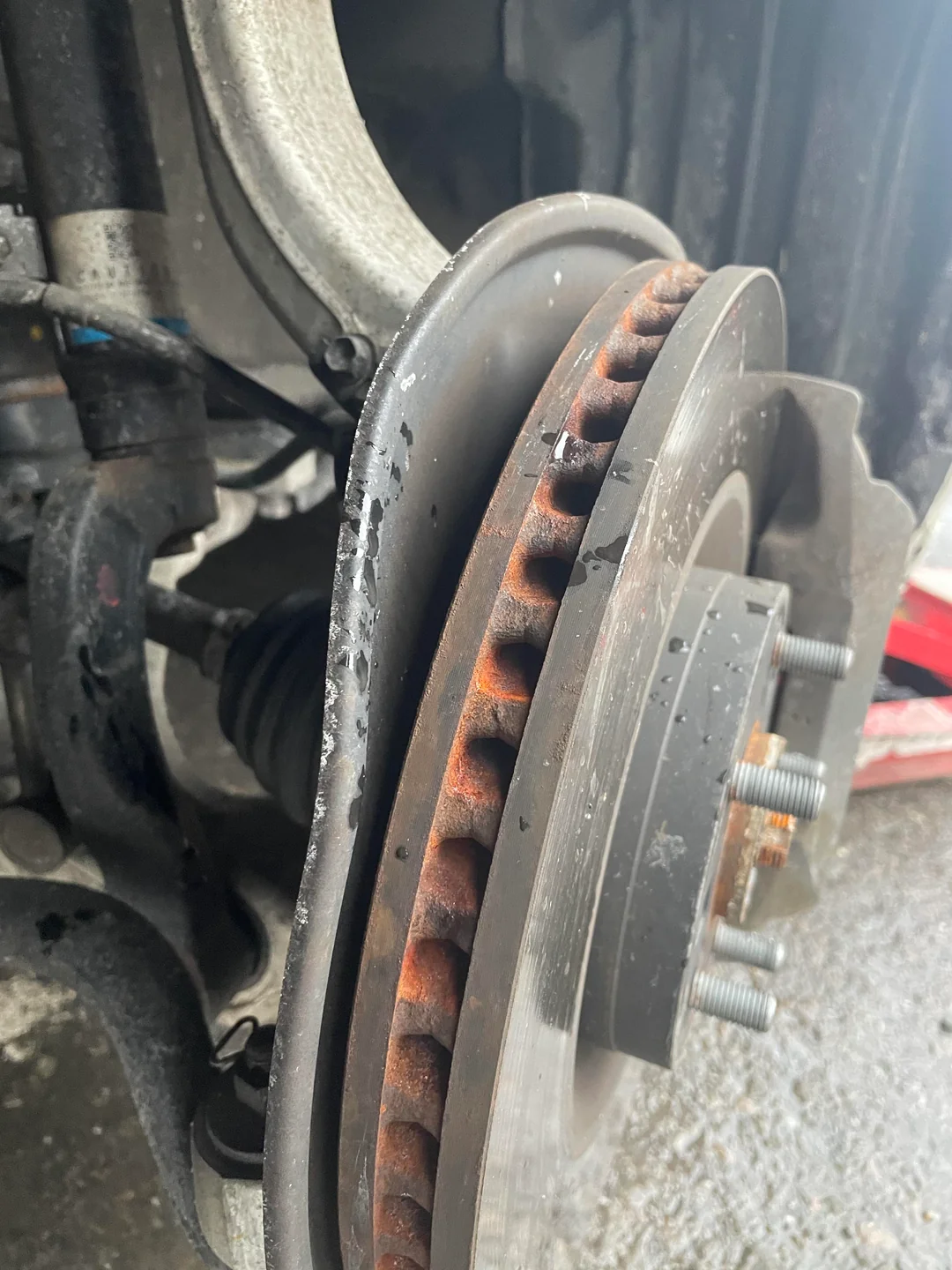
Some car noises are easy to ignore until they show up in the wrong vehicle. When a brake dust shield rattle appears in a Lamborghini Urus, it feels out of place because the SUV is so heavy, fast, expensive, and quiet at neighborhood speeds. The usual report sounds simple: a thin metallic chatter near one wheel, often below 25 mph, sometimes worse over rough pavement, while turning into a driveway, or rolling through a parking garage. It may stop when speed rises. It may not change much when you press the pedal.
That pattern matters. A shield noise is not the same as worn pads, cracked carbon-ceramic rotors, or a loose caliper. Still, you should not shrug it off. The distinction helps American owners speak clearly with a dealer, an exotic specialist, or a tire shop that last touched the wheel. The Urus braking package lives under high heat and tight clearances, so a small metal contact point can sound bigger than it is. For owners who track service details through automotive ownership guides, the smart move is simple: identify the sound, document when it happens, and have the wheel-end hardware inspected before one loose part becomes a damaged rotor, sensor, or parking brake concern. The early notes you keep may be worth more than the first repair guess.
What Low-Speed Metallic Noise Tells You Before You Blame the Brakes
A low-speed metallic sound gives you useful clues because the car is moving slowly enough for small parts to talk. At highway speed, tire roar and airflow hide thin noises. In a grocery store lot, a bent backing plate, loose fastener, trapped pebble, or vibrating clip can sound like a spoon tapping a pan. The trick is not to assume the most expensive failure first. The trick is to sort the sound by timing, surface, and pedal feel. That order keeps the diagnosis honest. It also keeps the first invoice from turning into a fishing trip, which matters when even routine inspection time on an exotic SUV can sting.
The sound pattern that separates shield noise from pad squeal
Brake pad squeal usually has a sharper pitch and often changes when you apply light pedal pressure. It may show up after the brakes warm, after washing the car, or during the first few stops in the morning. Carbon-ceramic brakes can make noise in normal street driving, so a little squeal does not always mean a defect.
A dust shield issue is different. It tends to sound like a tinny scrape, buzz, or chatter from one corner. It may happen while coasting with no pedal input. You might hear it when the body rocks over an angled driveway or when the steering wheel is turned near full lock. That is why a short test drive with the window down can reveal more than a long highway run. If pedal feel stays steady and the vehicle tracks straight, you still need inspection, but the first suspicion changes.
Picture an owner in Dallas leaving a valet ramp after dinner. The SUV rolls down the spiral exit at walking speed, the wall reflects every sound, and a faint tick becomes embarrassing. Then the noise vanishes on the boulevard. That pattern points less toward brake force and more toward a part vibrating near the rotor. It also explains why the service bay may miss the sound if the tech takes only a straight, smooth road.
Why Lamborghini Urus brake noise feels worse in parking lots
Lamborghini Urus brake noise can feel louder than a similar issue on a normal SUV because the rest of the vehicle sets a higher expectation. You paid for drama when you want it, not a trash-can lid sound near the front wheel. Parking garages make it worse because concrete walls bounce the sound back into the cabin.
There is another reason. The Urus rides on wide tires and large wheels, and the open wheel design can expose mechanical sounds that a smaller wheel might hide. A tiny contact mark on a shield can make a thin, repeating noise each time the rotor passes the spot. At low speed, your ear catches the rhythm.
The counterintuitive part is that the ugliest noise is not always the most dangerous one. A loose caliper bolt or damaged rotor is serious. A shield touching lightly may be minor. Yet both can start with a metal sound near the same wheel. That overlap is why guessing from the driver seat is a poor plan. Good diagnosis starts by separating sound from fear.
Why Brake Dust Shield Rattle Shows Up at Low Speeds
The Urus is not a delicate commuter crossover with small brakes tucked behind modest wheels. It uses a large performance brake package, and that package needs heat space, airflow, and wheel clearance. The dust shield sits near that action. Its job is simple, but its location is harsh. Heat cycles, road debris, wheel removal, brake service, and even a small shop mishap can move a thin metal shield out of its happy place. Slow speed then exposes the flaw because the shield is not being drowned out by tire noise. The lower wheel speed can also make the contact intermittent: tick, pause, tick, silence. That broken rhythm often feels stranger than a steady squeal.
The thin backing plate lives close to a massive rotor
The Urus braking system uses large carbon-ceramic hardware. The official Lamborghini Urus S digital brochure lists 440 mm front carbon-ceramic discs and 370 mm rear discs for the Urus S, with 10-piston front calipers. That is serious hardware for an SUV that may spend much of its life creeping through American suburbs.
A dust shield or backing plate does not need to move far to make noise near a rotor that large. A few millimeters can be enough. If the shield flexes inward, a rotor can brush it. If a mounting point loosens, the shield may vibrate over broken pavement. If a pebble lodges between the shield and rotor, the sound can mimic a failing brake part.
This is where expensive vehicles fool owners. The part making the noise may be cheap. The part it can scratch is not. A minor shield contact should be treated early because the surrounding components cost far more than the shield itself. On a Urus, a small noise lives next to parts that should never be treated casually. That is the owner’s main risk: not that every light scrape means disaster, but that a cheap contact point can sit beside a costly braking surface.
Heat, wheel work, and small bends can change the gap
Many cases start after the wheel has been off. A tire replacement, wheel repair, winter tire swap, brake inspection, or cosmetic wheel work can put hands and tools near the backing plate. One careless pull, one pry point in the wrong place, or one bump during wheel installation can bend the shield enough to create a low-speed brake rattle.
Heat also changes the story. Carbon-ceramic brakes handle high temperatures, but the nearby metal pieces still expand, cool, and vibrate. A shield that clears when cold may touch after a spirited drive. The opposite can happen too: a warm part may settle, then chatter again the next morning.
A non-obvious clue is dust pattern. If one wheel has a strange clean arc, shiny line, or fresh gray mark near the rotor edge, the shield may be kissing the disc. That small visual sign can save a technician from chasing suspension links, parking brake parts, or tire stones first. The mark does not have to be dramatic. A narrow polished line is enough reason to slow down and inspect.
How Owners Should Diagnose It Without Guessing
You do not need to crawl under a Urus to be useful. You need clean observations. The best owner note is not “brakes sound bad.” It is a short record of speed, road surface, steering angle, brake input, temperature, and which corner seems loudest. That gives the shop a path. It also protects you if the first service visit ends with “could not duplicate.” Luxury service departments still need repeatable evidence. A service writer may know the model well, but the technician still has to make the sound happen, locate it, and prove the repair removed it.
Start with a cold, slow test loop
Begin with a cold vehicle on a quiet road. Drive slowly with the windows down. Try straight coasting, a gentle left turn, a gentle right turn, and light braking. Then roll over a small pavement seam at low speed. Do not perform hard stops or sharp maneuvers in traffic. You are listening for pattern, not trying to prove a point.
A low-speed brake rattle that appears with no pedal input often points away from pad friction. A noise that changes during turning may involve shield clearance, wheel bearing load, or a small piece of debris shifting position. A sound that stops the instant the pedal is applied can still involve pad hardware, so keep an open mind.
Record a short video from outside the vehicle if you can do it safely. A passenger standing near a driveway while you creep past at 5 mph may capture the corner better than an in-cabin phone. That small clip can turn a vague complaint into a repeatable test. Speak the speed and conditions into the video so the shop does not have to guess later. A clip that says “right front, 8 mph, no brake pedal, steering left” carries more weight than a dramatic complaint at the counter.
What a technician should inspect on a lift
A proper inspection should include the shield, shield mounting points, rotor edges, caliper hardware, pad retaining parts, wheel weights, parking brake area, and any sign of debris caught behind the rotor. The technician should spin the wheel by hand, look for fresh rub marks, and check whether the shield has enough clearance all the way around.
The Urus braking system deserves a careful lift check because wheel-end noises can overlap. A loose undertray clip near the wheel well, a stone in the tire tread, or a bent heat shield farther back can fool the ear. A good technician does not stop at the first shiny mark. They verify the fix after adjustment.
This is also where service history helps. If the noise began after a tire shop visit, say so. If it showed up after new pads, say so. If it happens only after rain, after a car wash, or when backing out of a steep driveway, say that too. For a deeper owner note template, save diagnosing brake noises before a shop visit and use the same pattern for future problems. Good notes turn a luxury-car complaint into a mechanical case.
Repair Choices, Costs, and When to Push the Dealer
A shield noise can be a small repair, but the wrong response can make it expensive. The goal is not to bend random metal until the sound stops. The goal is to restore clearance, confirm nothing else is loose, and protect the brake package. On a Urus, that last part matters because a careless repair near carbon-ceramic discs can cost more than the original complaint. This is one place where patience saves money. Dealer labor rates, exotic parts pricing, and the risk around carbon-ceramic components make neat diagnosis more valuable than a quick guess.
Small adjustment or replacement is not the same repair
If the shield is only bent, a technician may be able to reshape it and restore the gap. That repair should be controlled and verified, not done with rough force. If a fastener is missing, corroded, or loose, the fastener needs attention. If the shield is cracked around a mounting point, replacement is cleaner than chasing the same sound every few weeks.
There are cases where the dust shield is blamed too soon. A rattle can come from pad hardware, a backing plate clip, a parking brake part, or a loose wheel weight tapping nearby. The repair choice should follow the evidence. Ask the shop to show you the rub mark, loose part, or damaged mounting point before approving work.
Here is the mildly odd truth: the cheapest-sounding fix can demand the most discipline. A shield tweak takes minutes, but the inspection around it should not be rushed. The sound may leave, yet the root cause may stay if the wheel was installed poorly, the shield is cracked, or debris remains trapped behind the rotor. A quiet test drive after the fix is part of the repair, not a favor. Ask for the same low-speed route that created the sound, not a quick lap around a smooth block.
Warranty, documentation, and safety reporting
If your Urus is still under warranty, make the dealer write the concern in plain language: metallic noise from one wheel at low speed, conditions when heard, and whether it happens with brake pedal input. Do not accept a vague line such as “normal brake noise” if the sound is a distinct rattle. Normal performance brake character and loose metal chatter are not the same thing.
Keep photos, videos, repair orders, and mileage notes. If the dealer adjusts the shield, ask whether any contact mark was found on the rotor. If a part is replaced, ask for the part description. This matters later if the sound returns, because repeated complaints show a pattern that a single visit does not.
If the problem affects braking feel, creates grinding, triggers warning lights, or seems unsafe, park the vehicle and call the dealer. You can also report a potential safety issue to NHTSA. For general upkeep planning, pair this repair record with a high-performance SUV maintenance checklist so wheel, tire, and brake work stays traceable. The paper trail may feel boring now. It becomes useful when a small sound returns after the second visit.
Conclusion
A thin metallic noise from a six-figure SUV can feel absurd, but it is not rare for small hardware near large brakes to make itself known. The smart response is calm and firm. Listen for the pattern, note the speed, check whether the pedal changes the sound, and get the corner inspected before the rotor area earns new marks. A brake dust shield rattle should not be dismissed as character, especially when the sound is one-sided, repeatable, or tied to turning and driveway angles. At the same time, it should not send you straight into worst-case thinking. Most answers come from careful wheel-end inspection, not panic. Treat the Urus like the performance machine it is: document symptoms, demand clear findings, and fix small contact issues before they become expensive stories. Your best move is to schedule a qualified inspection, bring proof of the exact noise, and leave with a written explanation instead of a shrug. A quiet wheel is good. A documented cause is better, because it gives you a baseline for the next tire change, alignment, or brake service.
Frequently Asked Questions
What causes a metallic rattle from a Lamborghini Urus wheel at low speed?
A thin shield, loose brake hardware, trapped stone, wheel weight, or parking brake part can cause it. The timing matters most. A sound while coasting points in a different direction than a squeal that happens only under pedal pressure.
Is low-speed brake noise normal on carbon-ceramic brakes?
Some squeal can be normal, especially when cold, wet, or driven gently for long periods. A tinny rattle from one corner is different. It should be inspected because loose or bent hardware can sit close to costly brake parts.
Can I drive my Urus if the brake shield is making noise?
Short, gentle driving may be possible if braking feel is normal and there are no warning lights, but inspection should not wait. Stop driving if you hear grinding, feel vibration, smell heat, or see any brake warning message.
How does a shop confirm the dust shield is touching the rotor?
The technician will usually lift the vehicle, remove the wheel if needed, spin the assembly by hand, and inspect for fresh rub marks. They should also check mounting points, pad hardware, rotor edges, and debris near the shield.
Why does the sound get louder in a parking garage?
Concrete walls reflect high-pitched metal sounds back toward the cabin. Low speed also removes wind and tire noise, so a small shield buzz can seem much louder than it does on an open road.
Can a tire shop bend the shield during wheel work?
Yes, it can happen during tire replacement, wheel repair, brake inspection, or wheel installation. The shield is thin and sits near the rotor. A small bend may create contact that only appears during turning or slow rolling.
Will a dealer cover this repair under warranty?
Coverage depends on vehicle age, mileage, cause, and dealer findings. A defect or loose factory part has a stronger warranty case than damage from outside wheel work. Bring video, mileage notes, and prior repair orders.
What should I tell the service advisor before inspection?
Give speed, road surface, steering angle, brake input, weather, and the corner where the sound seems loudest. A clear note like “metallic rattle at 5–15 mph while coasting over driveway angles” helps the technician repeat it.