
A wet spot under a truck can feel harmless until the driveline starts making noise. A worn output shaft seal is one of those small parts that can create a large bill when it gets ignored. The seal itself is cheap, but the labor, fluid loss, and possible transfer case damage change the math fast. If you drive a 4WD pickup, Jeep, SUV, or AWD crossover in the United States, this is not a leak to shrug off. Many owners first notice reddish, amber, or dark gear oil near the driveshaft area, then search for clear answers before approving a shop estimate. Good automotive repair guidance matters here because the right call depends on the leak’s location, the fluid level, and whether the driveshaft or yoke surface is worn.
Why Small Transfer Case Leaks Turn Into Expensive Drivetrain Trouble
A transfer case does not hold much fluid compared with an engine or automatic transmission. That is the catch. A minor transfer case leak can look like a few drops on the driveway, yet the case may already be running low enough to heat the bearings and chain under highway load. The worst part is that many leaks show up only after driving, when the shaft spins and flings fluid along the underside.
The first symptom is often mess, not noise
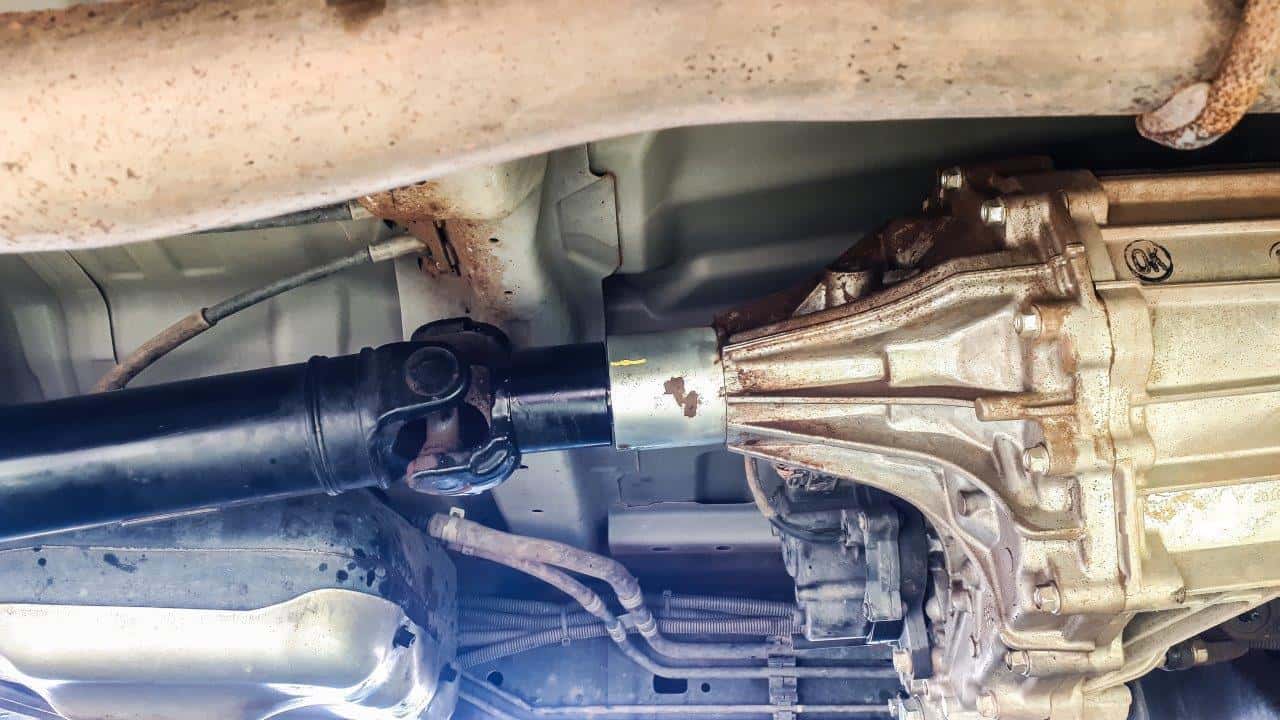
Most owners spot the problem by seeing wetness near the front or rear driveshaft connection. The fluid may collect around the transfer case tail housing, the skid plate, or the parking spot after a drive. On a lifted Silverado, Wrangler, 4Runner, Tahoe, or F-150, the leak can spread backward and make the source look farther away than it is.
That is why a clean inspection matters. A shop may wipe the case, add dye, drive the vehicle, then recheck the wet trail. Without that step, a rear main seal, transmission pan leak, axle pinion leak, or transfer case fluid leak can all get blamed on the wrong part.
The non-obvious clue is pattern. A seal leak often leaves a circular spray line around the driveshaft tunnel because the rotating yoke acts like a paint roller. A drain plug leak tends to drip straight down. That difference can save you from paying for the wrong 4WD drivetrain repair.
Low fluid damage arrives before the driver feels it
Transfer cases are tough, but they are not magic boxes. Inside, bearings, gears, sprockets, and chains rely on the right fluid level. When the level drops, heat rises. The fluid that remains starts working harder, and the next symptom may be a whine, rumble, clunk, or delayed engagement into 4WD.
A driver in Denver might notice nothing during short errands, then hear a faint growl after a mountain drive. A truck owner in Texas may see no puddle in summer because the fluid spreads across a hot skid plate and burns off. No puddle does not mean no leak.
That is the uncomfortable truth. The cleanest driveway can still hide a dry transfer case. If you already see wetness near the yoke, checking the fill level is more useful than guessing from the stain size.
Common Symptoms That Point to an Output Shaft Seal Problem
Symptoms matter because not every wet transfer case needs the same repair. A leaking fill plug calls for a different fix than a worn yoke groove. A cracked case is a different conversation altogether. The goal is to separate a repairable seal issue from a deeper mechanical problem before the bill grows teeth.
Fluid near the driveshaft yoke tells the best story
The front or rear driveshaft bolts to a yoke or flange at the transfer case. The seal rides around that spinning surface. When it hardens, tears, or loses tension, fluid slips past and spreads around the connection point. You may see a wet ring, oily dust, or fresh drips after parking.
The color depends on the vehicle and fluid type. Some transfer cases use automatic transmission fluid, which can look red or brown. Others use gear oil or manufacturer-specific transfer case fluid. Smell also helps. Gear oil has a sharp odor, while ATF tends to smell more like burnt petroleum when old.
Do not rely on color alone. A high-mileage SUV with old fluid can make every leak look dark. Better inspection starts with location, not guesswork. This is also where a transfer case fluid maintenance guide can help you compare normal service needs with leak-related repairs.
Noise, vibration, and 4WD issues mean the leak has moved past cosmetic
A small leak is one problem. A small leak with noise is another. If the transfer case whines under load, clunks when shifting from 2WD to 4WD, or vibrates at speed, the repair should be treated as urgent. At that point, the seal may be only the visible failure.
A worn U-joint can also mimic a transfer case problem. So can an out-of-balance driveshaft, bad mount, or loose flange. This is why the best shops do not quote from a photo alone. They check the shaft play, listen during a road test, and inspect the seal surface before calling the job done.
Here is the counterintuitive part: replacing the seal may not fix the leak if the yoke has a groove worn into it. The new rubber lip lands on the same damaged path, then fluid sneaks past again. In that case, the real repair may include a sleeve, yoke replacement, or deeper inspection.
Output Shaft Seal Repair Costs and What Changes the Price
A fair estimate should separate parts, labor, fluid, and related damage. The seal may cost less than dinner for two, but access can be the money sink. Some vehicles allow the driveshaft to come down fast. Others fight back with rusted bolts, skid plates, exhaust routing, crossmembers, or tight packaging.
Normal shop pricing usually depends on access, not the seal price
For many American owners, a basic transfer case seal job often lands in the low-to-mid hundreds at an independent shop. Higher labor rates in California, New York, Colorado, and major metro areas can push the quote upward. Luxury AWD models and tightly packaged crossovers may cost more because the shop spends extra time getting to the area.
A common line-item pattern looks simple: remove the driveshaft, pull the old seal, inspect the yoke, install the new seal, refill or top off fluid, and road test. The part may be modest. The labor carries the ticket.
Still, do not judge a quote by parts cost alone. A $25 seal can sit behind an hour or three of careful work. If a shop charges more because it is inspecting shaft wear, replacing transfer case fluid, and cleaning the leak trail for confirmation, that extra care may be cheaper than doing the job twice.
When the estimate jumps, ask what else was found
A higher quote is not always a rip-off. Rusted hardware, damaged yoke surfaces, bad U-joints, torn transfer case mounts, or low-fluid noise can raise the cost. A leaking seal on a 180,000-mile pickup from the Midwest may come with corrosion that a clean Arizona truck does not have.
Ask the shop to show you the wet area and the worn parts. Ask whether the quote includes fluid. Ask whether the yoke surface was inspected. Ask if the transfer case was driven low on fluid long enough to create noise. Those answers tell you whether you are buying a seal job or a broader 4WD drivetrain repair.
One more smart step: check the NHTSA recall search with your VIN before approving work. Recalls are not the same as normal wear repairs, but it costs nothing to check. For some vehicles, service bulletins or known leak patterns can also help a shop confirm the right repair path.
How to Diagnose the Leak Before You Approve the Repair
A good diagnosis is boring in the best way. Clean it, check fluid level, drive it, inspect it again. That process beats guessing. It also protects you from paying for a seal when the leak is coming from the case halves, vent, fill plug, or a nearby transmission component.
Clean inspection beats driveway guesswork
Start with safety. Park on level ground, let the drivetrain cool, and never crawl under a vehicle supported only by a jack. If you inspect it yourself, use stands or ramps rated for the vehicle. Look for wetness around the driveshaft connection, then follow the highest point of the oil trail.
A transfer case leak can travel. Wind under the vehicle spreads fluid across brackets and shields. On trucks with skid plates, oil can pool in one spot and drip later, far from the source. That delay tricks owners into thinking the leak moved.
A shop may use brake cleaner, UV dye, or powder to trace the leak. The method matters less than the result: the source should be clear before parts come off. If the transfer case fluid is low, that finding should be written on the estimate, not mentioned in passing.
The best repair includes prevention, not only replacement
Replacing the seal is only half the job. The sealing surface must be checked. The vent should be clear because pressure buildup can force fluid past a good seal. The driveshaft angle should be considered on lifted trucks, since steep angles can stress the seal area over time.
A careful technician will also check for shaft movement. Excess play can signal bearing wear inside the case. If the shaft wobbles, a new seal may fail early. That is where a cheap repair can become a warning sign.
For owners, the practical move is simple. After the repair, drive for a few days, then look again. No fresh wetness is the goal. A light film from old residue can remain, so the shop should clean the area well enough for you to tell old oil from new oil. A drivetrain noise diagnosis checklist can also help if vibration or clunking was part of the original complaint.
Conclusion
A transfer case seal leak looks small because the part is small, but the risk sits inside the case. Once fluid drops low enough, bearings and gears can suffer before the driver gets a clear warning. That is why the best repair decision starts with proof, not panic. You want the leak source confirmed, the fluid level checked, the yoke surface inspected, and the estimate explained in plain English. A leaking transfer case output shaft seal can be a manageable repair when caught early, often far cheaper than a transfer case rebuild or replacement. The mistake is waiting until the noise starts. If you see fluid near the driveshaft, schedule a real inspection and ask the right questions before the small stain becomes the most expensive spot under your vehicle.
Frequently Asked Questions
How much does it cost to fix a transfer case seal leak?
Most basic seal repairs cost a few hundred dollars, but the final price depends on labor time, vehicle layout, fluid type, and related wear. The bill rises if the yoke is grooved, bolts are rusted, or the transfer case ran low on fluid.
Can I drive with a leaking transfer case?
Short local driving may be possible if the fluid level is still safe, but it is a gamble. A low transfer case can overheat and damage bearings, chains, or gears. Check the fluid level before assuming the leak is minor.
What does transfer case fluid look like when it leaks?
It may look red, amber, brown, or dark, depending on the fluid type and age. Location matters more than color. Fluid around the driveshaft connection, transfer case tail housing, or skid plate often points toward a seal or nearby case leak.
Will a bad seal cause 4WD problems?
Yes, if enough fluid escapes. Low fluid can lead to whining, clunking, hard shifting into 4WD, delayed engagement, or internal wear. The seal itself does not control 4WD, but the fluid loss it causes can affect the system.
Is a transfer case leak the same as a transmission leak?
No. The transfer case sits behind the transmission on many 4WD and AWD vehicles. Leaks can look similar because fluid travels under the vehicle, so the source should be cleaned and inspected before any repair is approved.
Why did the new transfer case seal start leaking again?
The sealing surface may be worn, scratched, rusty, or grooved. A blocked vent can also build pressure and push fluid out. Shaft play from bearing wear may make the new seal fail even if it was installed correctly.
Should transfer case fluid be changed during seal replacement?
It often makes sense, especially if the fluid is low, dirty, burnt, or unknown. Some repairs only require topping off, but fresh fluid is cheap protection compared with internal transfer case wear.
Can I replace a transfer case seal myself?
A skilled DIY owner can do it on some trucks, but the job needs safe lifting, driveshaft removal, the right seal driver, and careful inspection. If the yoke surface is damaged or shaft play is present, a shop diagnosis is the safer choice.